| linguae |
|
QUESTIONS ARISING FROM 110th. MEETING – 29/4/2020
(the record of earlier meetings can be downloaded from the main Circulus page as can the version of Ciceronis Filius with illustrations added. The illustrated text of Genesis is available on the Genesis page, of Kepler's Somnium on the Somnium page and of Nutting's Ad Alpes on the Ad Alpes page).
The meeting was again held on Zoom, with Valerie, Tan, Sam, Zhang Wei and John present, and there was brief discussion of problems affecting the platform. A minor one was the technical difficulty individuals might have before they got used to the way it worked and one member of the Circulus twice failed to join a session because of this. When registering a few weeks back for the special Greater China account, which until the beginning of May had no time limit on meetings, John had initially been confused because the box for inserting a mobile phone number had the mainland Chinese dialing code as default. More serious was the security issue as there had been well documented instances of hackers breaking into virtual meetings and displaying offensive material, It was felt, however, that with a small group like ours, the risk of being `zoombombed’ (zūmbombō, -āre, --āvī, -ātum?) was not great. However, as with the Internet generally, we needed to be careful about revealing sensitive, personal information.

We discussed the contrast between Hong Kong, which has so far excaped relatively lightly from the onslaught of Covid-19 and New York, which, despite the many similarities between the two cities, has fared much worse. Possible factors may have been Hong Kong’s greater ability to control its borders and its ability to draw on experience with SARS in 2013. John Burns, a HKU politics professor, has suggested that the more centralized and relatively depoliticized nature of administration in China and the SAR helped it to outperform the US federal system; see https://hongkongfp.com/2020/04/06/constitutions-matter-hong-kong-new-york-city-and-the-coronavirus There is also the possibility (though some experts dispute this) that New York is battling a more virulent European form of the virus which was able to enter the USA for a considerable time as travel from there was not blocked as early as travel from China.
We read the final section from chapter 22 of Ad Alpes, devoted mostly to Regulus, a Roman hero of the 1st Punic War. Horace’s lines on him, quoted in the chapter, display an aristocratic disadain for the common people, which is ironic given that Horace’s own father was a freedman, The story of Regulus’s voluntary return to Carthage to face a cruel death is in any case apocryphal, as explained in the notes to chapter 18 of Ad Alpes.
Chapter 24, which we also read, contains more of Horace’s poetry, the very well-known 9th Ode of Book I, beginning Vidēs ut altā stet nive candidum Socacte (`You see how Soracte stands gleaming white with deep snow’). An excellent musical interpretation of the poem by the group Tyrtarion is available on YouTube and translations and analyses of the poem are at https://linguae.weebly.com/vides-ut-alta-stet-nive.html, which also gives details of how a German general and his British captor jointly recited the poem when trekking over the Cretan mountains with German search parties in pursuit.
We read the final section from chapter 22 of Ad Alpes, devoted mostly to Regulus, a Roman hero of the 1st Punic War. Horace’s lines on him, quoted in the chapter, display an aristocratic disadain for the common people, which is ironic given that Horace’s own father was a freedman, The story of Regulus’s voluntary return to Carthage to face a cruel death is in any case apocryphal, as explained in the notes to chapter 18 of Ad Alpes.
Chapter 24, which we also read, contains more of Horace’s poetry, the very well-known 9th Ode of Book I, beginning Vidēs ut altā stet nive candidum Socacte (`You see how Soracte stands gleaming white with deep snow’). An excellent musical interpretation of the poem by the group Tyrtarion is available on YouTube and translations and analyses of the poem are at https://linguae.weebly.com/vides-ut-alta-stet-nive.html, which also gives details of how a German general and his British captor jointly recited the poem when trekking over the Cretan mountains with German search parties in pursuit.
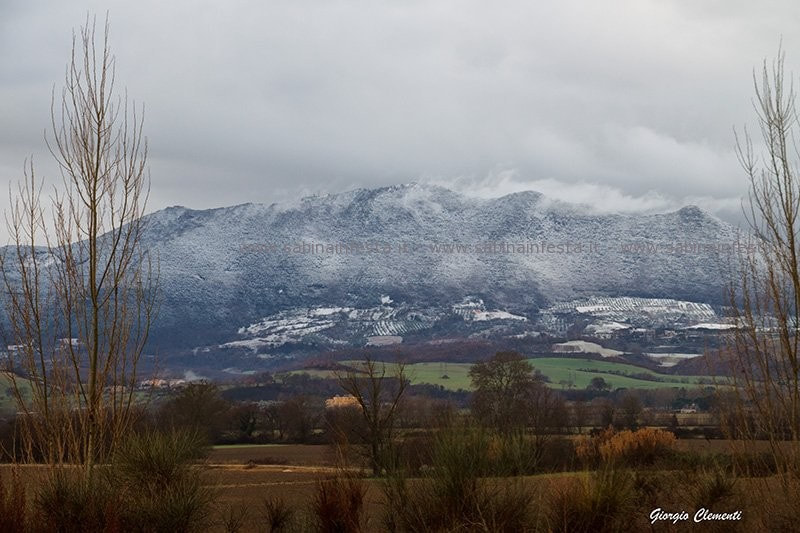
Mt Soracte (Soratte), an isolated limestone ridge on the Latium plain, in winter
https://www.youtube.com/watch?time_continue=629&v=vN1qrghgCqI&feature=emb_logo
Still on the German theme. Tan mentioned a student of hers who never worked and was always referring to Hitler. She once stirred him into action with the words `Schnell, arbeite!’, to which he promptly responded ` Ja, Commandant!’
Chapter 24 refers also to the phenomenon of islands floating freely in lakes, which is apparently not uncommon. John was reminded of the raft-like islands which C.S.Lewis, best-known for his Narnia series, imagined drifting across the ocean on Perelandra (Venus) in the second volume of his science fiction trilogy (see https://en.wikipedia.org/wiki/Perelandra). This novel is a re-creation of the Biblical story of the Garden of Eden and the hero, symbolically named Ransom, is tasked by God with avoiding a second Fall by persuading Eve’s Venusian counterpart not to violate the divine prohibition against stepping onto fixed land.
https://www.youtube.com/watch?time_continue=629&v=vN1qrghgCqI&feature=emb_logo
Still on the German theme. Tan mentioned a student of hers who never worked and was always referring to Hitler. She once stirred him into action with the words `Schnell, arbeite!’, to which he promptly responded ` Ja, Commandant!’
Chapter 24 refers also to the phenomenon of islands floating freely in lakes, which is apparently not uncommon. John was reminded of the raft-like islands which C.S.Lewis, best-known for his Narnia series, imagined drifting across the ocean on Perelandra (Venus) in the second volume of his science fiction trilogy (see https://en.wikipedia.org/wiki/Perelandra). This novel is a re-creation of the Biblical story of the Garden of Eden and the hero, symbolically named Ransom, is tasked by God with avoiding a second Fall by persuading Eve’s Venusian counterpart not to violate the divine prohibition against stepping onto fixed land.
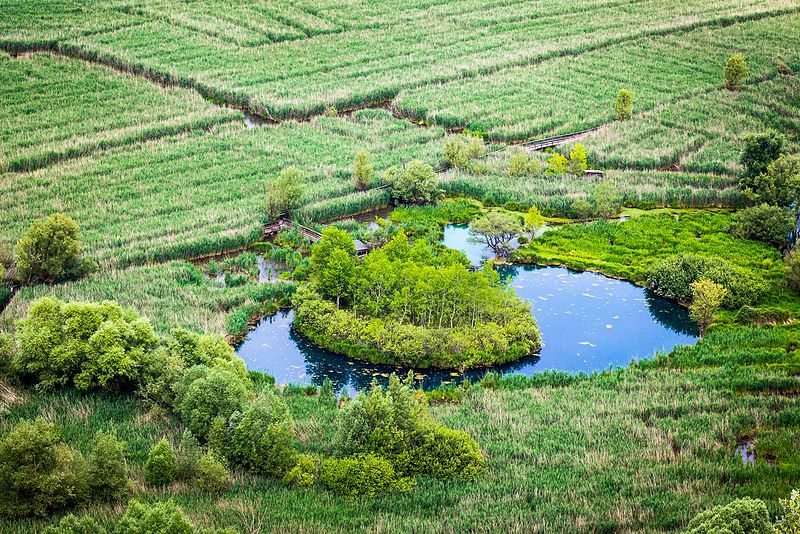
Floating island La Rota in Posta Fibreno lake, Italy
Piero "Positivo" Quadrini https://commons.wikimedia.org/w/index.php?curid=51453544
Lewis himself was a fascinating character, combining his day job as a professor of English literature, with theological writing and the production offantasy novels for adults as well as children. Theologically quite conservative, and therefore popular today with many American Evangelicals, he differed strongly from them in his enthusiasm for alcohol and tobacco. The attitudes towards women displayed in his work may come across as old-fashioned and even sexist, and some might criticise the `locker-room talk’ that characterized the `Beer and Beowulf’ drinking sessions he hosted for his students. It is, however, clear from the accounts of his life such as. A.N.Wilson’s C.S.Lewis; a Biography https://www.amazon.com/C-S-Lewis-Biography-Wilson/dp/0393323404, that he was loyal and considerate partner to the women he shared his life with.
Piero "Positivo" Quadrini https://commons.wikimedia.org/w/index.php?curid=51453544
Lewis himself was a fascinating character, combining his day job as a professor of English literature, with theological writing and the production offantasy novels for adults as well as children. Theologically quite conservative, and therefore popular today with many American Evangelicals, he differed strongly from them in his enthusiasm for alcohol and tobacco. The attitudes towards women displayed in his work may come across as old-fashioned and even sexist, and some might criticise the `locker-room talk’ that characterized the `Beer and Beowulf’ drinking sessions he hosted for his students. It is, however, clear from the accounts of his life such as. A.N.Wilson’s C.S.Lewis; a Biography https://www.amazon.com/C-S-Lewis-Biography-Wilson/dp/0393323404, that he was loyal and considerate partner to the women he shared his life with.
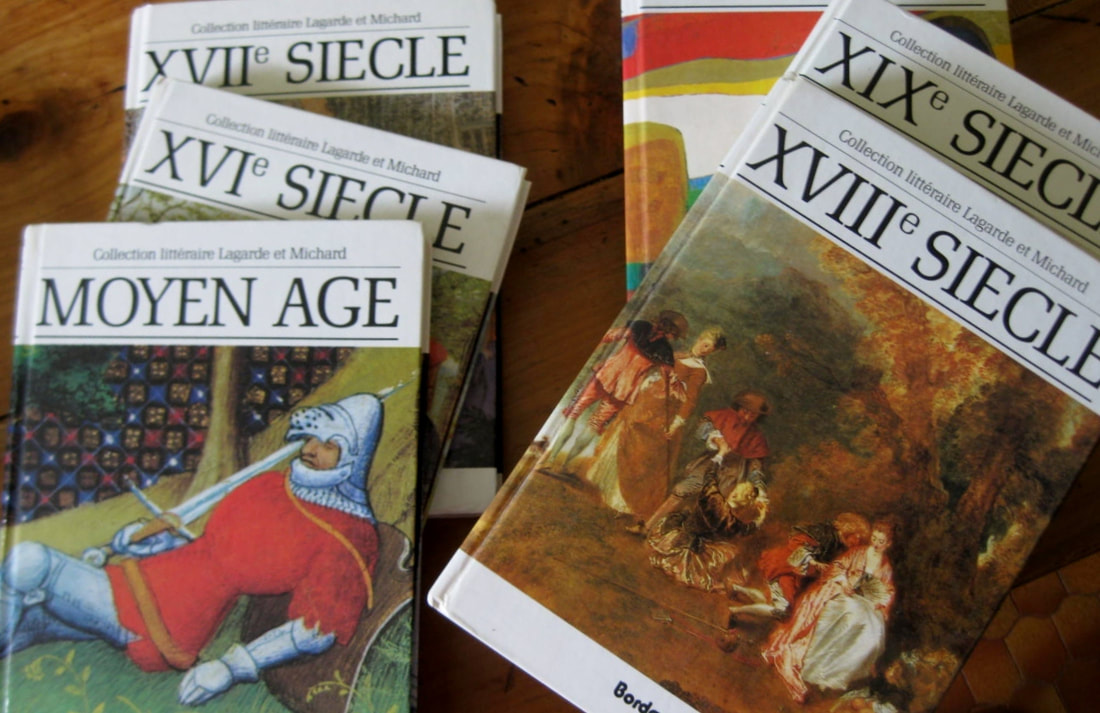
Collection littéraire Lagarde et Michard
(https://www.amazon.fr/COLLECTION-VOLUMES-LAGARDE-MICHARD-SIECLE/dp/B00JGX3B8K/)
For classicists, Lewis is also noteworthy for the correspondence in Latin he conducted over several years with an Italian priest, Don Giovanni Calabria. This has been published wrth facing English translation, as The Latin letters of C.S. Lewis (https://www.amazon.com/Latin-Letters-C-S-Lewis/dp/1587314576)
Tan was looking for advice on how to read French poetry, wich she had been requested to record for a friend and also a recommendation of a good translation of Dante. She believed that the stress pattern for French verse might be different from that in ordinary speech. John recommended consulting a British friend who had attended university in france and was qualified to teach French to native speakers as well as English to second-language learners. John’s own command of French, unlike Tanya’s, is abysmal but he mentioned the classic Lagarde and Michard series on French literature, both prose and poetry, which covers the whole range from the Le Chanson de Roland to Sartre and his contemporaries. It includes both extensive extracts from individual authors and treatment of the linguistic and cultural background.
AD ALPES - CAPUT XXII (contd.)
“Crēdō dē Rēgulō[1] et eius similibus tē cōgitāre,” inquit Cornēlius.
I-believe about Regulus and to-him those-similar you to-be-thinking said Cornelius
“Quis erat ille Rēgulus?” inquit Cornēlia.
Who was that Regulus asked Cornelia
“Rēgulus erat imperātor Rōmānus,” inquit pater, “quī in Āfricā serpentem illam
Regulus was the-general Roman said father who in Africa serpent that
ingentem occīdit. Posteā ā Carthāginiēnsibus captus, Rōmam eā lēge remissus est, ut in
huge killed afterwards by Carthaginians captured to-Rome on-this condition sent-back he-was that to
Āfricam reverterētur, nisi persuāsisset senātōribus ut captīvōs quōsdam commūtārent.
Africa he-would-return unless he-had-persuaded senators that captives certain they-should-exchange
“Ille autem, cum Rōmam pervēnisset, senātuī persuāsit, nē hanc condiciōnem acciperet;
He however when Rome ha-had-reached senate persuaded that-not this condition it-should-accept
ac tum aequō animō in Āfricam revertit, nē fidem falleret, etsī plānē sciēbat hostēs
and then with-calm mind to Africa he-returned so-that promise he-would-not-break even-though plainly he-knew enemy
summā crūdēlitāte supplicium dē sē sūmptūrōs.”
with-greatest cruelty punishment from self going-to-take
“Haec,” inquit, Pūblius, “mē admonent, dē quibusdam versibus eximiī poētae Horātiī
These-things said Publius me remind about certain verses of-excellent poet Horace
Flaccī:
Flaccus
“’Virtūs repulsae nescia sordidae
True-worth of-defeat ignorant dishonourable
Intāminātīs fulget honōribus,
With-undimmed shines honours
Nec sūmit aut pōnit secūrīs[2]
And-not takes-up or lays-aside the-axes
Arbitriō populārīs aurae.
At-the-whim of-popular favout
NOTES
[1] For detail of Regulus’s career and the apocryphal story of his return to Rome, see chapter XVIII/
[2] Referring to a magistrate’s power (including the right to inflict capital punishment. This was symbolised by the axes in bundles of rods which the his escorting lictors carried.
Virtūs reclūdēns immeritīs morī
True-worth opening to-those-not-deserving to-die
Caelum, negātā temptat iter viā,
Heaven previously-denied journey by-road
Coetūsque vulgārīs et ūdam
and-masses common and dank
Spernit humum fugiente pennā.'''[1]
Scorns ground on-fleeing wing
Ac pater: “Et aliō locō poēta īdem verba dīcit, quae Rēgulō dignissima sint:
And father and in-another place poet the-same words says which of-Regulus very-worthy are
“’Sī frāctus inlābātur orbis,
If shattered falls-in world
Impavidum fērient ruīnae.'''[2]
Him-unfearing will-strike the ruins
Sed iam Sextus, quī haud attentē haec audierat[3]: “Magnam fossam aquae plēnam haud
But now Sextus who not attentively these-things had-heard great ditch of-water full not
procul ā viā videō. Quid est, obsecrō, pater?”
far from road I-see what is-it please father
“Hic est euripus,[4]” inquit Cornēlius, “quō viātōrēs noctū nāvibus vehi solent.
This is the-canal said Cornelius on-which travellers by-night on-boats to-be-ferried are-accustomed
NOTES
[1] Horace, Odes 3:2:17-24. The stanza are in his preferred Alcaic pattern, consisting of two Alcaic hendecasyllables (ᵒ - ᵕ - - - ᵕ ᵕ - ᵕ-), an iambic dimeter plus one syllable ( ᵒ - ᵕ - ᵒ - ᵕ - -) and an Alcaic decasyllable (- ᵕ ᵕ - ᵕ ᵕ - ᵕ - -). The final syllable of a line can be a short one `long by position’ and Horace in this poem always makes the ambivalent syllables in the first three lines long. The ode is best known for l.12: Dulce et decōrum est prō patriā morī (`It is sweet and fitting to die for one’s country’)
[2] Odes 3:3:7-8. These are the third and fourth lines of another an Alcaic stanza.
[3] Contraction of indicative pluperfect audīverat.
[4] Constructed in the 1st century B.s, the Decennovium (`Nineteen[-miler]’) canal helped to drain the Pontine Marshes which stretched between Terracina and Apii Forum. The region was partly below sea-level and never completely reclaimed until the 20th century, since when it has been renamed the `Pontine Plain’. When the Appian Way itself was water-logged, people could travel by barge pulled along the canal by mules. Horace’s account of his own journey by this route is in Satires 1.5. For a large selection of photos of the region see https://bibleplaces.photoshelter.com/gallery-image/Forum-of-Appius-and-Three-Taverns/G0000Mu2HL63YzBw/I0000QcJtD8.LjQE/C00005JFMVCFRfpg
Quīn etiam ipse poēta, cuius versūs modo audīvistī, ōlim Appi Forō hōc modō usque ad
Indeed even himself poet whose verses just-now you-have-heard once from Appi Forum in-this way right-up to
fontem Fērōniae[1] vectus est, cum Rōmā profectus Brundisium iter faceret.”
Spring of-Feronia carried was when from-Rome having-started-out to-Brundisium journey he-was-making
“Nōs certē nāvī satis superque vecti sumus,” inquit Drūsilla. “Nunc viā strātā
We certainly by-boat enough and-more-than[-enough] carried have-been said Drusilla Now by-road paved
raedīs prōgredī periūcundum est.”
in-wagons to-travel thoroughly-lpeasant it-is
Ita tempus terēbant, ac dēnique circiter hōrā decimā Appī Forum pervēnērunt, dēfessī.
Thus time they-were-passing and finally around at-hour tenth Appii Forum they-reached tired-out
Posterō diē Arīciam[2] usque contendērunt.
On-next day Aricia as-far-as they-hurried
NOTES
[1]The spring was about three miles outside Terracina at the foot of Monte Leano (on the map, the spur touching the Appian Way) near the modern village of Pontalto, and should be distinguished from another one of the same name in Etruria. Feronia was an old Sabine fertility goddess, adopted by the Romans and identified with Juno Verginalis. Smith’s 1854 Dictionary of Greek and Roman Geography describes the spring and shrine as `clearly marked at a place now called Torre di Terracina, where there is a beautiful and abundant source of limpid waters, breaking out just at the foot of the hills which here bound the Pontine Marshes, and some remains of the temple are still visible’ See http://www.perseus.tufts.edu/hopper/text?doc=Perseus:text:1999.04.0064:id=feronia-geo The spring itself seems to have disappeared and the name Torre di Terracina gone out of use but P.Ruggeri’s recent discription is at http://www.megalithic.it/il-taccuino-dei-predatori/feronia-presso-terracina/
[2] Arīcia (modern Ariccia), the first regular night-stop for those leaving Rome on the Via Appia, was until its conquest by Rome in 338 B.C, an important regional power. It remained an important religious centre because of the nearby shrine of Diana and its association with the Roman woodland god, Virbius, after whose wife it was supposedly named. See https://en.wikipedia.org/wiki/Ariccia
CAPUT XXIV
Parentēs Drūsillae scīlicet summō gaudiō fīliam ac nepōtēs ad sē recēpērunt, et maximē
Parents of-Druslila . of-course with-greatest joy daughter and grandchildren to selves received and especially
Lūcium, quem adhūc numquam vīderant. Cēterī līberī, longō itinere fessī, in agrīs vagantēs
Lucius whom till-then never they-had-seen the-other children by-long journey tired in fields wandering
lūdendō satiārī[1] nōn poterant; ac Sextus animum mātris magnō 5 in terrōre saepe dētinēbat,
of-playing to-have-enough not were-able and Sextus mind of-mother great in terror often was-keeping
cum aut arborēs ēscenderet, ut avium nīdōs īnspiceret, aut piscēs in rīvō capere cōnārētur.
when either trees he-was-climbing so-that birds’ nests he-could-inspect or fish in stream to-catch he-was-trying
Cum hōc modō diēs complūrēs actī essent, ex urbe advēnit Pūblius, quī nūntiāvit patrem
When in-this way days several spent had-been from city arrived Publius who announced father
adhūc mandātum imperātōris exspectāre.
still order of-emperor to-be-waiting-for
10 Dum omnēs propter ārdōrem sōlis sub arboribus sedent, ille: "Quam amoenum est
While sll because-of heat of-sun under trees sit he how attractive is
rūs!" inquit. "Cum collēs procul videō, admoneor dē versibus lepidīs poētae Horātī Flaccī, quī
countryside said when hills in-distance I-see I-am-reminded about verses charming of-poet Horatius Flaccus who
hinc haud longē vīllam ōlim habēbat: "
from-here not far villa once had
' Vidēs ut altā stet nive candidum
You-see how with-deep stands snow white
15 Sōracte,[2] nec iam sustineant onus
Soracte and-not now sustain burden
Silvae labōrantēs gelūque
woods in-trouble and-with-ice
Flūmina cōnstiterint acūtō?' "[3]
Rivers have-stood-still sharp
NOTES
[1] Literally: `to be satiated with playing’
[2] Soracte (modern Monte Soratte or Monte Sant’Oreste) is an isolated limestone ridge 28 miles north of Rome,with the highest of its six peaks rising to 2,267 feet above sea level. It was situated in sight of Horace’s beloved `Sabine Farm’ near Licenza 25 miles to the SE.
[3] Odes I.9:1-4, with adjective-noun phrases bolded. This is an Alcaic stanza, Horace’s favourite metre, consisting of two Alcaic hendecasyllables (ᵒ - ᵕ - - - ᵕ ᵕ - ᵕ-), an iambic dimeter plus one syllable ( ᵒ - ᵕ - ᵒ - ᵕ - -) and an Alcaic decasyllable (- ᵕ ᵕ - ᵕ ᵕ - ᵕ - -). The final syllable of a line can be a short one `long by position’. The entire poem is sung by the group Tyrtarion, with Latin text provided, in the video at https://www.youtube.com/watch?v=EwaQQc0PQSY
Tum Sextus: "Hī versūs profectō pulchrī sunt. Sed nūper dē imperātōre Vespasiānō
Then Sextus these verses indeed beautiful are but recently about emperor Vespasian
loquēbāmur, et dē eō plūra cognōscere 20 velim. Nōnne pater dīxit eius mīlitēs Vitellium
we-were-talking and about him more to-learn I-would-like Didn’t father say his soldiers Vitellius
occīdisse?"
to-have-killed
At Pūblius: "Hoc erat illud biennium mīrābile,"[1] inquit, "quō quattuor imperātōrēs
And Publiud this was that two-year-period remarkable said in-which four emperors
populī Rōmānī factī sunt; quōrum Galba in forō ā praetōriānīs occīsus est, et Othō (ut
of-people Roman made were of-whom Galba in forum by praetorians killed was and Otho as
audīvistī) sē ipse[2] interfēcit. Interim imperium Vitelliō ā mīlitibus dēlātum erat; 25 ac
you-have-heard himself killed meanwhile empire on-Vitellius by soldiers bestowed had-been and
postrēmō Vespasiānus quoque ā suīs imperātor salūtātus est. Quārē Vitellium tollere necesse
finally Vespasian also by his-men as-emperor hailed was Accordingly Vitellius to-remove necessary
erat."
was
"Ipsene Vespasiānus aderat, cum Vitellius occīsus est?" inquit Sextus.
Himself-? Vespasian was-present when Vitellius kiulled was asked Sextus
"Nūllō modō," inquit frāter. "Cōpiās suās praemīserat; 30 ipse autem itinere longiōre in
in-no way said brother forces his he-had-sent-ahead himself however by-route longer into
Ītaliam tendēbat, atque aliquamdiū in Aegyptō morātus est."[3]
Italy was-making-his-way and for-some-time in Egypt delayed
NOTES
[1] 69 A.D. is normally referred to as `The Year of the Four Emperors’. Publius refers to the whole period 68-69 to include Galba’s accession in June 68. See the account in Chapter XXI above.
[2] Literally `himself killed himself’ but Latin can expess this idea less clumsily than English as there are separate words for the emphatic (ipse) and reflexive (sē) meanings of `himself’.
[3] Vespasian (full name Titus Flavius Vespasianus) had been sent to put down the great Jewish revolt that began in 66 A.D. In 69 he was proclaimed emperor by the troops in Egypt, who were also under his command, and two days later by those in Judaea itself. His objective in Egypt was to secure control of the grain exports on which Rome depended (see https://en.wikipedia.org/wiki/Vespasian). We have a detailed account of the war in Judaea in the writings of Josephus, a member of the Jewish political elite who first fought with the rebels against Rome but surrendered in 67 and became first the slave and then the freedman (lībertus) of Vespasian. A well-regarded analysis of the background to the revolt and also of the destruction of the Temple in Jerusalem in 70 A.D. and its consequences is Martin Goodman’s Rome & Jerusalem; the Clash of Ancient Civilizations.
"Ubi agēbat ille," inquit Cornēlia, "eō tempore, quō ā mīlitibus imperātor salūtātus est?"
Where was-working he asked Cornelia at-the time when by soldiers as-emperor hailed he-was
"Erat tum cum exercitū in Iūdaeā," inquit Pūblius, "ubi incolae 35 sēditiōsē sē
He-was then with army in Judaea said Publius where inhabitants seditiously themselves
gerēbant. Sed gentem illam iam paene subēgerat, obsidiōne Hierosolymōrum exceptā, quam
were-conducting but nation that already almost he-had-conquered with-siege of-Jerusalem excepted which
cōnficiendam Titō[1] fīlīō relīquit."
for-finishing to-Titus son he-left.
"Nisi fallor," inquit Drūsilla, "dē patriā Annae nostrae nunc loquiminī."
Unless I-am-deceived said Drusilla about fatherland of-Anna our now you-are-talking
40 Adnuit Anna, quae maesta sedēbat, cum suae gentis prīstīnae glōriae[2] ēī in mentem
Nodded Anns who sad was-sitting since of-own nation of-former glory for-her into mind
venīret.
was-coming
Tum Cornēlia: "Nolī maerēre, Anna mea," inquit. "Nōnne potes aliquid iūcundum
Then Cornelia Don’t be-sad Anna my-dear said aren’t you-able something pleasant
reminīscī, quod dē patriā tuā nōbīs nārrāre velīs?"
to-remember which about country your to-us to-tell you-would-like
45 Illa prīmō negābat; cum autem līberī blandius īnstārent, postrēmō: "Per fīnēs
She at-first kept-on-refusing since however children more-flatteringly were-insisting finally through territory
nostrōs," inquit, "fertur amnis Iordānēs, quī nusquam ad mare pervenit. Ūnum enim atque
our said flows river Jordan which nowhere to sea reaches one for and
alterum lacum perfluit, tum tertiō acceptus ibi retinētur; nam hic lacus exitum nūllum habet.[3]
second lake it-flows-through then by-third received there it-is-retained for this lake ecxit no has
50"Cuius lacūs maximus est circuitus, et aquae sapor gustātū acerbior.[4] Odor quoque
Of-this lake very-great is circumference and of-water flavor to-taste quite-bitter smell also
NOTES
[1] Titus succeeded his father as emperor in 79 but died two years later. His capture and sacking of Jerusalem is commemorated by the Arch of Titus, erected at the entrance to the Roman Forum by his brother and successor Domitian. Titus provided relief after the destruction of Pompeii and Heculaneum and completed the Colosseum (or Amphitheatrum Flavianum) begun by his father.
[2] The genitive is frequently used with the phrase in mentem venit, possible with memoria understood as subject.
[3] The Jordan flowed from the marshy Lake Hula (drained in the 1950s to reclaim land for agriculture) through the Sea of Galilee to the Dead Sea
[4] The use as an ablative of specification (`with respect to..’) of gustātū (from gustō, -āre, -āvī, -ātum, taste) is unusual as only the supines audītū, dictū, factū, inventūm memorātū, nātū and vīsū are commonly used with adjectives in this way
est pestifer; neque in eō piscēs ūllī vīvere possunt.
is pestilential nor in it fish any live can
"Praetereā (id quod est multō mīrābilius) quaecumque in aquam prōiecta sunt, ea undae
Besides that which is much more-remarkable whatever-things into water thrown have-been them waves
attollunt nec mergī patiuntur. 55 Quīn etiam hominēs, nandī quamvīs imperītī, hīc in flūctūs
raise-up and-not to-sink allow Indeed even people at-swimming however unskilled here into billows
sine metū ingrediuntur; nam mergī nōn possunt, nē sī quidem id maximē volunt."
without fear enter for sink not they-can not if even that very-much they-want
"Ille certē est locus," inquit Drūsilla rīdēns, "ubi mātribus nūlla sit causa timendī, cum
That certainly is place said Drusilla smiling where for-mothers no would-be cause of-fearing when
puerī nandī grātiā abeunt. Ego 60 autem prae metū vix mē continēre possum, cum prope
boys of-swimming for-sake go-off I however from fear shardly self contain am-able when near
rīvum Sextus noster sēcūrus lūdit."
stream Sextus our carefree plays
"Nūllum est perīculum, māter," inquit Sextus. "Aqua nusquam amplius trēs pedēs alta
No there-is danger mother said Sextus water nowhere more-than three feet deep
est; et sī quandō inciderō[1], facillimē ad rīpam ēvādere poterō."
Is and if ever I-fall-in very-easily to bank to-get-out I-will-be
Tum Annae: "Sed plūra 65 dīc, obsecrō. Suntne in patriā tuā templa dēōrum magnifica?"
Then to-Anna but more say please are-there in country your temples of-gods moagnificent
Quō audītō, Anna paulisper tacuit. Tum maesta: "Fuit Hierosolymīs templum omnium
With-this heard Anna a-short-while was-quiet then sadly was in- Jerusalem temple of-all
splendissimum; sed dēlētum est eō bellō, dē quō mentiō modo facta est. Intus erat sacrārium
most-splendid but destroyed it-was in-that war of which mention just-now made was inside was shrine
deī suprēmī." [2]
of-god supreme
70 "Quā faciē erat deus ille?" inquit Sextus, "aut quanta erat illīus imāgō?"
With-what appearance was god that asked Sextus or how-big was his image
NOTES
[1] Future perfect (`will have fallen in’)
[2] The Second Temple (so-called because it stood on the site of Solomon’s original temple, destroyed by the Babylonians in 586 B.C.) was originally constructed by exiles returning from Babylon in 516 and greatly enlarged and embellished by Herod the Great (reigned 37-4 B.C.). All that remains of the structure is part of the western retaining wall (now known as the `Wailing Wall’) and a large mosque, the Dome of the Rock, stands on top of the Temple Mount itself.
"Nūlla erat imāgō aut simulācrum," inquit Anna; "et deī cultōrēs mente sōlā vidēbant
No was image or statue said Anna and of-god worshippers in-mind alone saw
nūmen. Nam cīvēs meī putābant nefās esse deōrum imāginēs mortālibus materiīs etiam
the-godhead for fellow-citizens my thought wrong to-be of-gods images from-mortal materials even
hominum 75 in speciēs effingere."
of-humans in likeness to-form
"Nihil umquam aequē mīrābile audīvī," inquit Sextus. "Profectō nusquam alibī tōtō
Northing ever equally strange I-have-heard said Sextus certainly nowhere elsewhere on-whole
orbī terrārum[1] mōs tālis invenīrī potest."
circle of-lands custom such be-found can
At Pūblius: "Errās," inquit, "cum ita exīstimās. Nam 80 apud Cicerōnem scrīptum est
But Publius you-are-wrong said when thus you-suppose for in Cicero written it-is
Persās templa Athēniēnsium ob eam causam incendisse, quod deōs, quōrum domus esset
Persians temples of-Athenians for this reason to-have-burned because gods whose home was
omnis mundus, inclūsōs parietibus continērī nefās putārent.[2]
whole world shut-in by-walls to-be-contained evil they-thought
"Et aliud quoque dē Vespasiānō adicere possum. Nam ille, paulō priusquam imperātor ā
And another-thing also about Vespasian add I-can for he a-little before as-emperor by
suīs salūtātus est, ad montem vēnit 85 Carmēlum, quī inter Iūdaeam Syriamque est, ut ibi
his-men hailed was to mountain came Carmel which between Judaea a and-Syria is so-that there
ōrāculum cōnsuleret. Hīc quoque nūlla est deī imāgō, sed āra tantum et reverentia."[3]
oracle he-could-consult here also no is of-god image but altar only and reverence
"Lacusne est usquam alius," inquit Cornēlia, "eī similis, dē quō Anna modo dīxit?" 90
Lake-? there-is anywhee another asked Cornelia to-the-one similar about which Anna just-now spoke
NOTES
[1] The phrase orbis terrārum (frequently shortened to orbis alone) means`world’
[2] The quod clauses have subjunctive verbs because they are subordinate clauses within indirect statement. The reference is to Cicero De Republica III: 14 and to the destruction of Athens during the invasion of Greece by Xerxes in 480 B.C. The Persians were later defeated at sea in the battle of Salamis and then on land the following year at Platea, north of Athens.
[3] Tacitus, Histories II:78. Mount Carmel (Latin Carmēlus) is a range stretching south-eastwards from the Mediterranean in northern Israel, with the city of Haifa now located on its northern and western sloipes (https://en.wikipedia.org/wiki/Mount_Carmel). The shrine visited by Vespasian was dedicated to the Semitic god of the same name, one of the deities collectively referred to as Baal. After examining the entrails of a sacrificed animal the priest told Vespasian that all his future undertakings would be successful. This was perhaps the most important of a number of omens which convinced both Vespasian himself and his followers that he was destined to be emperor.
"Id nesciō," inquit Pūblius; "sed auctor Plīnius, quī dē Chrīstiānīs litterās illās scrīpsit,
That I-don’t-know said Publius but author Pliny who about Christians letter that wrote
quaedam satis mīranda dē lacū sibi nōtō nārrat."
certain-things enough strange about lake to-himself known narrates.
"Haec quoque dīc, sī vīs," inquit Sextus. "Audīrē cupimus." 95
These-things also say, please said Sextus to-hear we-want
"Illō in lacū," inquit frāter, "nūlla est nāvis; nam sacer est. Sed ubīque innatant īnsulae
That in lake said brother no there-is ship for sacred it-is but everywhere float-on-it islands
parvae, in quibus sunt herbae omnis generis et arborēs.
Small on which there-are plants of-every kind and trees
"Ventō appulsae, īnsulae interdum lītus attingunt. Tum pecora, herbās secūta, in eās
By-wind driven islands sometimes shore touch then cattle plants following onto them
quasi in extrēmam rīpam prōcēdunt, 100 nec prius terram mōbilem esse sentiunt quam,[1]
as-if to edge-of bank proceed and-not earlier land mobile to-be they-realise than[when]
īnsulā ventō ā lītore remōtā, sē undique aquā circumfūsa vident."
with-island by-wind from shore removed themselves everywhere by-water surrounded they-see
"Pecora misera!" inquit Cornēlia. "Quid tum faciunt?"
Cattle poor said cornelia What then do-they-do
"Quiēta exspectant," inquit Pūblius, "dōnec ventus rūrsus īnsulam ad terram appulit.
Quiet they-wait said Publius until wind again island to land has-pushed
Tum in lītūs prōgressa, nihil magis 105 sē dēscendisse sentiunt quam anteā sēnserant
Then onto sure advancing no more themselves to-have-disembarked they-feel than before they-had-felt
sē ascendisse."[2]
themselves to-have-boarded
Dum haec dīcuntur, Stasimus prope viam stābat, omnia ōtiōsus circumspiciēns. Sed While these-things were-being-said Stasimus near road was-standing all-things leisurely looking-round-at but
iam accessit quīdam senex luscus, quī: "Salvē," inquit. "Mihine mōnstrāre potes quō modō
there-came-up a-certain old-man one-eyed who Hello said me-? show can-you how
NOTES
[1] The conjunction priusquam (`before’) is often split in this way.
[2] Floating islands are a fairly common occurrence in Europe and elsewhere. Lake Vadimon, which no longer exists, was situated near the town of Orte, about 37 miles north of Rome, and was the site of two major battles between Rome and the Etruscans in 310 and 283 B.C. Pliny the Younger, who describes Vadimon islands in Letters VIII.20 claims to have only learned of the phenomenon when staying with an in-law yet it is also mentioned by his uncle, Pliny the Elder, in his Natural History (II, 209). See http://catocensorius.blogspot.com/2018/02/pliny-younger-on-floating-islands-of.html
facillimē ad oppidum proximum pervenīre possim?" 110
most-easily to town next reach I-can
"Tuīs ipsīus pedibus, opīnor," inquit Stasimus; "nisi spērās aliquem tibi equum
By-your of-self feet I-think said Stasimus unless you-hope someone to-you horse
commodātūrum, Cyclōps."
going-to-lend Cyclops
Tum ille īrātus: "Cavē malum," inquit. "Ego sum mīlēs veterānus; ac, sī sapis,
Then he angry beware-of bad-thing said I am soldier veteran and if you-are-wise
impudentiam tuam statim comprimēs."
impudence your at-once you-will-stop
"Age, dīc, senex," inquit Stasimus. "Quō modō oculum 115 āmīsistī? Ēumne uxor
Come-on say old-man said Stasimus how eye did-you-lose it-? wife
effōdit, cum domum ēbrius tē retūlīssēs?"
dug-out when home drunk yourself you-had-brought
"Linguae istī temperāre tē docēbō," inquit senex. Quae cum dīxisset, collō obtortō
Tongue that-of-yours to-control you I-will-teach said old-man Which when he-had-said with-neck twisted
Stasimum in viam trāxit et vehementer fuste verberāre coepit. 120
Stasimus into road dragged and violently with-club to-thrash began
Ille autem clāmōrēs lāmentābilēs sustulit, ac: "Fidem tuam obsecrō, Pūblī, mē servā,"
He now cries pitiable raised and help your I-beg Publius me save
vōciferātus est; "Cyclōps enim hic mē vorāre parat."
shouted Cyclops for this me to-devour is-preparing
Quō audītō, senex etiam vehementius verberābat, dōnec Stasimus, dolōre victus, rē vērā
With-which heard old-man even more-violently began-to-beat until Stasimus by-pain overcome really
misericordiam implōrāvit. 125
mercy begged-for
Tum Pūblius rīdēns intercessit, et senī: "Maximam tibi grātiam habēmus," inquit, "quod
Then Publius smiling intervened and to-old-man grreatest to-you gratitude we-have sad because
istum scelestum prō illīus meritīs tam strēnuē tū accēpistī. Spērō eum posteā impudentiam
that scoundrel for his deserts so energetically you have-dealt-with I-hope he afterwards impudence
suam magis inhibitūrum."
his more going-to-restrain
Quae cum facta essent, senex ad oppidum versus abiit; ac Stasimus, tergum manibus
These-things when done had-been old-man to town turning went-off and Stasimus back with-hands
fricāns, intrō sē recēpit, ut fōmenta 130 quaedam ibi quaereret.
rubbing inside himself took-back so-that ointments certain there he-could-look-for
(https://www.amazon.fr/COLLECTION-VOLUMES-LAGARDE-MICHARD-SIECLE/dp/B00JGX3B8K/)
For classicists, Lewis is also noteworthy for the correspondence in Latin he conducted over several years with an Italian priest, Don Giovanni Calabria. This has been published wrth facing English translation, as The Latin letters of C.S. Lewis (https://www.amazon.com/Latin-Letters-C-S-Lewis/dp/1587314576)
Tan was looking for advice on how to read French poetry, wich she had been requested to record for a friend and also a recommendation of a good translation of Dante. She believed that the stress pattern for French verse might be different from that in ordinary speech. John recommended consulting a British friend who had attended university in france and was qualified to teach French to native speakers as well as English to second-language learners. John’s own command of French, unlike Tanya’s, is abysmal but he mentioned the classic Lagarde and Michard series on French literature, both prose and poetry, which covers the whole range from the Le Chanson de Roland to Sartre and his contemporaries. It includes both extensive extracts from individual authors and treatment of the linguistic and cultural background.
AD ALPES - CAPUT XXII (contd.)
“Crēdō dē Rēgulō[1] et eius similibus tē cōgitāre,” inquit Cornēlius.
I-believe about Regulus and to-him those-similar you to-be-thinking said Cornelius
“Quis erat ille Rēgulus?” inquit Cornēlia.
Who was that Regulus asked Cornelia
“Rēgulus erat imperātor Rōmānus,” inquit pater, “quī in Āfricā serpentem illam
Regulus was the-general Roman said father who in Africa serpent that
ingentem occīdit. Posteā ā Carthāginiēnsibus captus, Rōmam eā lēge remissus est, ut in
huge killed afterwards by Carthaginians captured to-Rome on-this condition sent-back he-was that to
Āfricam reverterētur, nisi persuāsisset senātōribus ut captīvōs quōsdam commūtārent.
Africa he-would-return unless he-had-persuaded senators that captives certain they-should-exchange
“Ille autem, cum Rōmam pervēnisset, senātuī persuāsit, nē hanc condiciōnem acciperet;
He however when Rome ha-had-reached senate persuaded that-not this condition it-should-accept
ac tum aequō animō in Āfricam revertit, nē fidem falleret, etsī plānē sciēbat hostēs
and then with-calm mind to Africa he-returned so-that promise he-would-not-break even-though plainly he-knew enemy
summā crūdēlitāte supplicium dē sē sūmptūrōs.”
with-greatest cruelty punishment from self going-to-take
“Haec,” inquit, Pūblius, “mē admonent, dē quibusdam versibus eximiī poētae Horātiī
These-things said Publius me remind about certain verses of-excellent poet Horace
Flaccī:
Flaccus
“’Virtūs repulsae nescia sordidae
True-worth of-defeat ignorant dishonourable
Intāminātīs fulget honōribus,
With-undimmed shines honours
Nec sūmit aut pōnit secūrīs[2]
And-not takes-up or lays-aside the-axes
Arbitriō populārīs aurae.
At-the-whim of-popular favout
NOTES
[1] For detail of Regulus’s career and the apocryphal story of his return to Rome, see chapter XVIII/
[2] Referring to a magistrate’s power (including the right to inflict capital punishment. This was symbolised by the axes in bundles of rods which the his escorting lictors carried.
Virtūs reclūdēns immeritīs morī
True-worth opening to-those-not-deserving to-die
Caelum, negātā temptat iter viā,
Heaven previously-denied journey by-road
Coetūsque vulgārīs et ūdam
and-masses common and dank
Spernit humum fugiente pennā.'''[1]
Scorns ground on-fleeing wing
Ac pater: “Et aliō locō poēta īdem verba dīcit, quae Rēgulō dignissima sint:
And father and in-another place poet the-same words says which of-Regulus very-worthy are
“’Sī frāctus inlābātur orbis,
If shattered falls-in world
Impavidum fērient ruīnae.'''[2]
Him-unfearing will-strike the ruins
Sed iam Sextus, quī haud attentē haec audierat[3]: “Magnam fossam aquae plēnam haud
But now Sextus who not attentively these-things had-heard great ditch of-water full not
procul ā viā videō. Quid est, obsecrō, pater?”
far from road I-see what is-it please father
“Hic est euripus,[4]” inquit Cornēlius, “quō viātōrēs noctū nāvibus vehi solent.
This is the-canal said Cornelius on-which travellers by-night on-boats to-be-ferried are-accustomed
NOTES
[1] Horace, Odes 3:2:17-24. The stanza are in his preferred Alcaic pattern, consisting of two Alcaic hendecasyllables (ᵒ - ᵕ - - - ᵕ ᵕ - ᵕ-), an iambic dimeter plus one syllable ( ᵒ - ᵕ - ᵒ - ᵕ - -) and an Alcaic decasyllable (- ᵕ ᵕ - ᵕ ᵕ - ᵕ - -). The final syllable of a line can be a short one `long by position’ and Horace in this poem always makes the ambivalent syllables in the first three lines long. The ode is best known for l.12: Dulce et decōrum est prō patriā morī (`It is sweet and fitting to die for one’s country’)
[2] Odes 3:3:7-8. These are the third and fourth lines of another an Alcaic stanza.
[3] Contraction of indicative pluperfect audīverat.
[4] Constructed in the 1st century B.s, the Decennovium (`Nineteen[-miler]’) canal helped to drain the Pontine Marshes which stretched between Terracina and Apii Forum. The region was partly below sea-level and never completely reclaimed until the 20th century, since when it has been renamed the `Pontine Plain’. When the Appian Way itself was water-logged, people could travel by barge pulled along the canal by mules. Horace’s account of his own journey by this route is in Satires 1.5. For a large selection of photos of the region see https://bibleplaces.photoshelter.com/gallery-image/Forum-of-Appius-and-Three-Taverns/G0000Mu2HL63YzBw/I0000QcJtD8.LjQE/C00005JFMVCFRfpg
Quīn etiam ipse poēta, cuius versūs modo audīvistī, ōlim Appi Forō hōc modō usque ad
Indeed even himself poet whose verses just-now you-have-heard once from Appi Forum in-this way right-up to
fontem Fērōniae[1] vectus est, cum Rōmā profectus Brundisium iter faceret.”
Spring of-Feronia carried was when from-Rome having-started-out to-Brundisium journey he-was-making
“Nōs certē nāvī satis superque vecti sumus,” inquit Drūsilla. “Nunc viā strātā
We certainly by-boat enough and-more-than[-enough] carried have-been said Drusilla Now by-road paved
raedīs prōgredī periūcundum est.”
in-wagons to-travel thoroughly-lpeasant it-is
Ita tempus terēbant, ac dēnique circiter hōrā decimā Appī Forum pervēnērunt, dēfessī.
Thus time they-were-passing and finally around at-hour tenth Appii Forum they-reached tired-out
Posterō diē Arīciam[2] usque contendērunt.
On-next day Aricia as-far-as they-hurried
NOTES
[1]The spring was about three miles outside Terracina at the foot of Monte Leano (on the map, the spur touching the Appian Way) near the modern village of Pontalto, and should be distinguished from another one of the same name in Etruria. Feronia was an old Sabine fertility goddess, adopted by the Romans and identified with Juno Verginalis. Smith’s 1854 Dictionary of Greek and Roman Geography describes the spring and shrine as `clearly marked at a place now called Torre di Terracina, where there is a beautiful and abundant source of limpid waters, breaking out just at the foot of the hills which here bound the Pontine Marshes, and some remains of the temple are still visible’ See http://www.perseus.tufts.edu/hopper/text?doc=Perseus:text:1999.04.0064:id=feronia-geo The spring itself seems to have disappeared and the name Torre di Terracina gone out of use but P.Ruggeri’s recent discription is at http://www.megalithic.it/il-taccuino-dei-predatori/feronia-presso-terracina/
[2] Arīcia (modern Ariccia), the first regular night-stop for those leaving Rome on the Via Appia, was until its conquest by Rome in 338 B.C, an important regional power. It remained an important religious centre because of the nearby shrine of Diana and its association with the Roman woodland god, Virbius, after whose wife it was supposedly named. See https://en.wikipedia.org/wiki/Ariccia
CAPUT XXIV
Parentēs Drūsillae scīlicet summō gaudiō fīliam ac nepōtēs ad sē recēpērunt, et maximē
Parents of-Druslila . of-course with-greatest joy daughter and grandchildren to selves received and especially
Lūcium, quem adhūc numquam vīderant. Cēterī līberī, longō itinere fessī, in agrīs vagantēs
Lucius whom till-then never they-had-seen the-other children by-long journey tired in fields wandering
lūdendō satiārī[1] nōn poterant; ac Sextus animum mātris magnō 5 in terrōre saepe dētinēbat,
of-playing to-have-enough not were-able and Sextus mind of-mother great in terror often was-keeping
cum aut arborēs ēscenderet, ut avium nīdōs īnspiceret, aut piscēs in rīvō capere cōnārētur.
when either trees he-was-climbing so-that birds’ nests he-could-inspect or fish in stream to-catch he-was-trying
Cum hōc modō diēs complūrēs actī essent, ex urbe advēnit Pūblius, quī nūntiāvit patrem
When in-this way days several spent had-been from city arrived Publius who announced father
adhūc mandātum imperātōris exspectāre.
still order of-emperor to-be-waiting-for
10 Dum omnēs propter ārdōrem sōlis sub arboribus sedent, ille: "Quam amoenum est
While sll because-of heat of-sun under trees sit he how attractive is
rūs!" inquit. "Cum collēs procul videō, admoneor dē versibus lepidīs poētae Horātī Flaccī, quī
countryside said when hills in-distance I-see I-am-reminded about verses charming of-poet Horatius Flaccus who
hinc haud longē vīllam ōlim habēbat: "
from-here not far villa once had
' Vidēs ut altā stet nive candidum
You-see how with-deep stands snow white
15 Sōracte,[2] nec iam sustineant onus
Soracte and-not now sustain burden
Silvae labōrantēs gelūque
woods in-trouble and-with-ice
Flūmina cōnstiterint acūtō?' "[3]
Rivers have-stood-still sharp
NOTES
[1] Literally: `to be satiated with playing’
[2] Soracte (modern Monte Soratte or Monte Sant’Oreste) is an isolated limestone ridge 28 miles north of Rome,with the highest of its six peaks rising to 2,267 feet above sea level. It was situated in sight of Horace’s beloved `Sabine Farm’ near Licenza 25 miles to the SE.
[3] Odes I.9:1-4, with adjective-noun phrases bolded. This is an Alcaic stanza, Horace’s favourite metre, consisting of two Alcaic hendecasyllables (ᵒ - ᵕ - - - ᵕ ᵕ - ᵕ-), an iambic dimeter plus one syllable ( ᵒ - ᵕ - ᵒ - ᵕ - -) and an Alcaic decasyllable (- ᵕ ᵕ - ᵕ ᵕ - ᵕ - -). The final syllable of a line can be a short one `long by position’. The entire poem is sung by the group Tyrtarion, with Latin text provided, in the video at https://www.youtube.com/watch?v=EwaQQc0PQSY
Tum Sextus: "Hī versūs profectō pulchrī sunt. Sed nūper dē imperātōre Vespasiānō
Then Sextus these verses indeed beautiful are but recently about emperor Vespasian
loquēbāmur, et dē eō plūra cognōscere 20 velim. Nōnne pater dīxit eius mīlitēs Vitellium
we-were-talking and about him more to-learn I-would-like Didn’t father say his soldiers Vitellius
occīdisse?"
to-have-killed
At Pūblius: "Hoc erat illud biennium mīrābile,"[1] inquit, "quō quattuor imperātōrēs
And Publiud this was that two-year-period remarkable said in-which four emperors
populī Rōmānī factī sunt; quōrum Galba in forō ā praetōriānīs occīsus est, et Othō (ut
of-people Roman made were of-whom Galba in forum by praetorians killed was and Otho as
audīvistī) sē ipse[2] interfēcit. Interim imperium Vitelliō ā mīlitibus dēlātum erat; 25 ac
you-have-heard himself killed meanwhile empire on-Vitellius by soldiers bestowed had-been and
postrēmō Vespasiānus quoque ā suīs imperātor salūtātus est. Quārē Vitellium tollere necesse
finally Vespasian also by his-men as-emperor hailed was Accordingly Vitellius to-remove necessary
erat."
was
"Ipsene Vespasiānus aderat, cum Vitellius occīsus est?" inquit Sextus.
Himself-? Vespasian was-present when Vitellius kiulled was asked Sextus
"Nūllō modō," inquit frāter. "Cōpiās suās praemīserat; 30 ipse autem itinere longiōre in
in-no way said brother forces his he-had-sent-ahead himself however by-route longer into
Ītaliam tendēbat, atque aliquamdiū in Aegyptō morātus est."[3]
Italy was-making-his-way and for-some-time in Egypt delayed
NOTES
[1] 69 A.D. is normally referred to as `The Year of the Four Emperors’. Publius refers to the whole period 68-69 to include Galba’s accession in June 68. See the account in Chapter XXI above.
[2] Literally `himself killed himself’ but Latin can expess this idea less clumsily than English as there are separate words for the emphatic (ipse) and reflexive (sē) meanings of `himself’.
[3] Vespasian (full name Titus Flavius Vespasianus) had been sent to put down the great Jewish revolt that began in 66 A.D. In 69 he was proclaimed emperor by the troops in Egypt, who were also under his command, and two days later by those in Judaea itself. His objective in Egypt was to secure control of the grain exports on which Rome depended (see https://en.wikipedia.org/wiki/Vespasian). We have a detailed account of the war in Judaea in the writings of Josephus, a member of the Jewish political elite who first fought with the rebels against Rome but surrendered in 67 and became first the slave and then the freedman (lībertus) of Vespasian. A well-regarded analysis of the background to the revolt and also of the destruction of the Temple in Jerusalem in 70 A.D. and its consequences is Martin Goodman’s Rome & Jerusalem; the Clash of Ancient Civilizations.
"Ubi agēbat ille," inquit Cornēlia, "eō tempore, quō ā mīlitibus imperātor salūtātus est?"
Where was-working he asked Cornelia at-the time when by soldiers as-emperor hailed he-was
"Erat tum cum exercitū in Iūdaeā," inquit Pūblius, "ubi incolae 35 sēditiōsē sē
He-was then with army in Judaea said Publius where inhabitants seditiously themselves
gerēbant. Sed gentem illam iam paene subēgerat, obsidiōne Hierosolymōrum exceptā, quam
were-conducting but nation that already almost he-had-conquered with-siege of-Jerusalem excepted which
cōnficiendam Titō[1] fīlīō relīquit."
for-finishing to-Titus son he-left.
"Nisi fallor," inquit Drūsilla, "dē patriā Annae nostrae nunc loquiminī."
Unless I-am-deceived said Drusilla about fatherland of-Anna our now you-are-talking
40 Adnuit Anna, quae maesta sedēbat, cum suae gentis prīstīnae glōriae[2] ēī in mentem
Nodded Anns who sad was-sitting since of-own nation of-former glory for-her into mind
venīret.
was-coming
Tum Cornēlia: "Nolī maerēre, Anna mea," inquit. "Nōnne potes aliquid iūcundum
Then Cornelia Don’t be-sad Anna my-dear said aren’t you-able something pleasant
reminīscī, quod dē patriā tuā nōbīs nārrāre velīs?"
to-remember which about country your to-us to-tell you-would-like
45 Illa prīmō negābat; cum autem līberī blandius īnstārent, postrēmō: "Per fīnēs
She at-first kept-on-refusing since however children more-flatteringly were-insisting finally through territory
nostrōs," inquit, "fertur amnis Iordānēs, quī nusquam ad mare pervenit. Ūnum enim atque
our said flows river Jordan which nowhere to sea reaches one for and
alterum lacum perfluit, tum tertiō acceptus ibi retinētur; nam hic lacus exitum nūllum habet.[3]
second lake it-flows-through then by-third received there it-is-retained for this lake ecxit no has
50"Cuius lacūs maximus est circuitus, et aquae sapor gustātū acerbior.[4] Odor quoque
Of-this lake very-great is circumference and of-water flavor to-taste quite-bitter smell also
NOTES
[1] Titus succeeded his father as emperor in 79 but died two years later. His capture and sacking of Jerusalem is commemorated by the Arch of Titus, erected at the entrance to the Roman Forum by his brother and successor Domitian. Titus provided relief after the destruction of Pompeii and Heculaneum and completed the Colosseum (or Amphitheatrum Flavianum) begun by his father.
[2] The genitive is frequently used with the phrase in mentem venit, possible with memoria understood as subject.
[3] The Jordan flowed from the marshy Lake Hula (drained in the 1950s to reclaim land for agriculture) through the Sea of Galilee to the Dead Sea
[4] The use as an ablative of specification (`with respect to..’) of gustātū (from gustō, -āre, -āvī, -ātum, taste) is unusual as only the supines audītū, dictū, factū, inventūm memorātū, nātū and vīsū are commonly used with adjectives in this way
est pestifer; neque in eō piscēs ūllī vīvere possunt.
is pestilential nor in it fish any live can
"Praetereā (id quod est multō mīrābilius) quaecumque in aquam prōiecta sunt, ea undae
Besides that which is much more-remarkable whatever-things into water thrown have-been them waves
attollunt nec mergī patiuntur. 55 Quīn etiam hominēs, nandī quamvīs imperītī, hīc in flūctūs
raise-up and-not to-sink allow Indeed even people at-swimming however unskilled here into billows
sine metū ingrediuntur; nam mergī nōn possunt, nē sī quidem id maximē volunt."
without fear enter for sink not they-can not if even that very-much they-want
"Ille certē est locus," inquit Drūsilla rīdēns, "ubi mātribus nūlla sit causa timendī, cum
That certainly is place said Drusilla smiling where for-mothers no would-be cause of-fearing when
puerī nandī grātiā abeunt. Ego 60 autem prae metū vix mē continēre possum, cum prope
boys of-swimming for-sake go-off I however from fear shardly self contain am-able when near
rīvum Sextus noster sēcūrus lūdit."
stream Sextus our carefree plays
"Nūllum est perīculum, māter," inquit Sextus. "Aqua nusquam amplius trēs pedēs alta
No there-is danger mother said Sextus water nowhere more-than three feet deep
est; et sī quandō inciderō[1], facillimē ad rīpam ēvādere poterō."
Is and if ever I-fall-in very-easily to bank to-get-out I-will-be
Tum Annae: "Sed plūra 65 dīc, obsecrō. Suntne in patriā tuā templa dēōrum magnifica?"
Then to-Anna but more say please are-there in country your temples of-gods moagnificent
Quō audītō, Anna paulisper tacuit. Tum maesta: "Fuit Hierosolymīs templum omnium
With-this heard Anna a-short-while was-quiet then sadly was in- Jerusalem temple of-all
splendissimum; sed dēlētum est eō bellō, dē quō mentiō modo facta est. Intus erat sacrārium
most-splendid but destroyed it-was in-that war of which mention just-now made was inside was shrine
deī suprēmī." [2]
of-god supreme
70 "Quā faciē erat deus ille?" inquit Sextus, "aut quanta erat illīus imāgō?"
With-what appearance was god that asked Sextus or how-big was his image
NOTES
[1] Future perfect (`will have fallen in’)
[2] The Second Temple (so-called because it stood on the site of Solomon’s original temple, destroyed by the Babylonians in 586 B.C.) was originally constructed by exiles returning from Babylon in 516 and greatly enlarged and embellished by Herod the Great (reigned 37-4 B.C.). All that remains of the structure is part of the western retaining wall (now known as the `Wailing Wall’) and a large mosque, the Dome of the Rock, stands on top of the Temple Mount itself.
"Nūlla erat imāgō aut simulācrum," inquit Anna; "et deī cultōrēs mente sōlā vidēbant
No was image or statue said Anna and of-god worshippers in-mind alone saw
nūmen. Nam cīvēs meī putābant nefās esse deōrum imāginēs mortālibus materiīs etiam
the-godhead for fellow-citizens my thought wrong to-be of-gods images from-mortal materials even
hominum 75 in speciēs effingere."
of-humans in likeness to-form
"Nihil umquam aequē mīrābile audīvī," inquit Sextus. "Profectō nusquam alibī tōtō
Northing ever equally strange I-have-heard said Sextus certainly nowhere elsewhere on-whole
orbī terrārum[1] mōs tālis invenīrī potest."
circle of-lands custom such be-found can
At Pūblius: "Errās," inquit, "cum ita exīstimās. Nam 80 apud Cicerōnem scrīptum est
But Publius you-are-wrong said when thus you-suppose for in Cicero written it-is
Persās templa Athēniēnsium ob eam causam incendisse, quod deōs, quōrum domus esset
Persians temples of-Athenians for this reason to-have-burned because gods whose home was
omnis mundus, inclūsōs parietibus continērī nefās putārent.[2]
whole world shut-in by-walls to-be-contained evil they-thought
"Et aliud quoque dē Vespasiānō adicere possum. Nam ille, paulō priusquam imperātor ā
And another-thing also about Vespasian add I-can for he a-little before as-emperor by
suīs salūtātus est, ad montem vēnit 85 Carmēlum, quī inter Iūdaeam Syriamque est, ut ibi
his-men hailed was to mountain came Carmel which between Judaea a and-Syria is so-that there
ōrāculum cōnsuleret. Hīc quoque nūlla est deī imāgō, sed āra tantum et reverentia."[3]
oracle he-could-consult here also no is of-god image but altar only and reverence
"Lacusne est usquam alius," inquit Cornēlia, "eī similis, dē quō Anna modo dīxit?" 90
Lake-? there-is anywhee another asked Cornelia to-the-one similar about which Anna just-now spoke
NOTES
[1] The phrase orbis terrārum (frequently shortened to orbis alone) means`world’
[2] The quod clauses have subjunctive verbs because they are subordinate clauses within indirect statement. The reference is to Cicero De Republica III: 14 and to the destruction of Athens during the invasion of Greece by Xerxes in 480 B.C. The Persians were later defeated at sea in the battle of Salamis and then on land the following year at Platea, north of Athens.
[3] Tacitus, Histories II:78. Mount Carmel (Latin Carmēlus) is a range stretching south-eastwards from the Mediterranean in northern Israel, with the city of Haifa now located on its northern and western sloipes (https://en.wikipedia.org/wiki/Mount_Carmel). The shrine visited by Vespasian was dedicated to the Semitic god of the same name, one of the deities collectively referred to as Baal. After examining the entrails of a sacrificed animal the priest told Vespasian that all his future undertakings would be successful. This was perhaps the most important of a number of omens which convinced both Vespasian himself and his followers that he was destined to be emperor.
"Id nesciō," inquit Pūblius; "sed auctor Plīnius, quī dē Chrīstiānīs litterās illās scrīpsit,
That I-don’t-know said Publius but author Pliny who about Christians letter that wrote
quaedam satis mīranda dē lacū sibi nōtō nārrat."
certain-things enough strange about lake to-himself known narrates.
"Haec quoque dīc, sī vīs," inquit Sextus. "Audīrē cupimus." 95
These-things also say, please said Sextus to-hear we-want
"Illō in lacū," inquit frāter, "nūlla est nāvis; nam sacer est. Sed ubīque innatant īnsulae
That in lake said brother no there-is ship for sacred it-is but everywhere float-on-it islands
parvae, in quibus sunt herbae omnis generis et arborēs.
Small on which there-are plants of-every kind and trees
"Ventō appulsae, īnsulae interdum lītus attingunt. Tum pecora, herbās secūta, in eās
By-wind driven islands sometimes shore touch then cattle plants following onto them
quasi in extrēmam rīpam prōcēdunt, 100 nec prius terram mōbilem esse sentiunt quam,[1]
as-if to edge-of bank proceed and-not earlier land mobile to-be they-realise than[when]
īnsulā ventō ā lītore remōtā, sē undique aquā circumfūsa vident."
with-island by-wind from shore removed themselves everywhere by-water surrounded they-see
"Pecora misera!" inquit Cornēlia. "Quid tum faciunt?"
Cattle poor said cornelia What then do-they-do
"Quiēta exspectant," inquit Pūblius, "dōnec ventus rūrsus īnsulam ad terram appulit.
Quiet they-wait said Publius until wind again island to land has-pushed
Tum in lītūs prōgressa, nihil magis 105 sē dēscendisse sentiunt quam anteā sēnserant
Then onto sure advancing no more themselves to-have-disembarked they-feel than before they-had-felt
sē ascendisse."[2]
themselves to-have-boarded
Dum haec dīcuntur, Stasimus prope viam stābat, omnia ōtiōsus circumspiciēns. Sed While these-things were-being-said Stasimus near road was-standing all-things leisurely looking-round-at but
iam accessit quīdam senex luscus, quī: "Salvē," inquit. "Mihine mōnstrāre potes quō modō
there-came-up a-certain old-man one-eyed who Hello said me-? show can-you how
NOTES
[1] The conjunction priusquam (`before’) is often split in this way.
[2] Floating islands are a fairly common occurrence in Europe and elsewhere. Lake Vadimon, which no longer exists, was situated near the town of Orte, about 37 miles north of Rome, and was the site of two major battles between Rome and the Etruscans in 310 and 283 B.C. Pliny the Younger, who describes Vadimon islands in Letters VIII.20 claims to have only learned of the phenomenon when staying with an in-law yet it is also mentioned by his uncle, Pliny the Elder, in his Natural History (II, 209). See http://catocensorius.blogspot.com/2018/02/pliny-younger-on-floating-islands-of.html
facillimē ad oppidum proximum pervenīre possim?" 110
most-easily to town next reach I-can
"Tuīs ipsīus pedibus, opīnor," inquit Stasimus; "nisi spērās aliquem tibi equum
By-your of-self feet I-think said Stasimus unless you-hope someone to-you horse
commodātūrum, Cyclōps."
going-to-lend Cyclops
Tum ille īrātus: "Cavē malum," inquit. "Ego sum mīlēs veterānus; ac, sī sapis,
Then he angry beware-of bad-thing said I am soldier veteran and if you-are-wise
impudentiam tuam statim comprimēs."
impudence your at-once you-will-stop
"Age, dīc, senex," inquit Stasimus. "Quō modō oculum 115 āmīsistī? Ēumne uxor
Come-on say old-man said Stasimus how eye did-you-lose it-? wife
effōdit, cum domum ēbrius tē retūlīssēs?"
dug-out when home drunk yourself you-had-brought
"Linguae istī temperāre tē docēbō," inquit senex. Quae cum dīxisset, collō obtortō
Tongue that-of-yours to-control you I-will-teach said old-man Which when he-had-said with-neck twisted
Stasimum in viam trāxit et vehementer fuste verberāre coepit. 120
Stasimus into road dragged and violently with-club to-thrash began
Ille autem clāmōrēs lāmentābilēs sustulit, ac: "Fidem tuam obsecrō, Pūblī, mē servā,"
He now cries pitiable raised and help your I-beg Publius me save
vōciferātus est; "Cyclōps enim hic mē vorāre parat."
shouted Cyclops for this me to-devour is-preparing
Quō audītō, senex etiam vehementius verberābat, dōnec Stasimus, dolōre victus, rē vērā
With-which heard old-man even more-violently began-to-beat until Stasimus by-pain overcome really
misericordiam implōrāvit. 125
mercy begged-for
Tum Pūblius rīdēns intercessit, et senī: "Maximam tibi grātiam habēmus," inquit, "quod
Then Publius smiling intervened and to-old-man grreatest to-you gratitude we-have sad because
istum scelestum prō illīus meritīs tam strēnuē tū accēpistī. Spērō eum posteā impudentiam
that scoundrel for his deserts so energetically you have-dealt-with I-hope he afterwards impudence
suam magis inhibitūrum."
his more going-to-restrain
Quae cum facta essent, senex ad oppidum versus abiit; ac Stasimus, tergum manibus
These-things when done had-been old-man to town turning went-off and Stasimus back with-hands
fricāns, intrō sē recēpit, ut fōmenta 130 quaedam ibi quaereret.
rubbing inside himself took-back so-that ointments certain there he-could-look-for
