| linguae |
|
QUESTIONS ARISING FROM 89th MEETING – 27/4/18
( the record of earlier meetings can be downloaded from the main Circulus page)
Food ordered included carnēs assae mixtae (assorted roast meat), squillae cum collӯrā (shrimp with noodles) and various vegetable dishes (holera). We consumed three bottles of red wine (trēs lagoenās vīnī rubrī cōnsumpsimus), Malcolm’s contribution being of higher quality needed an extrāculum (corkscrew) whilst other two had the usual caput cochleātum (screw-top).
We began with a brief Latin exchange on everybody’s name, place of birth and occupation, using an adapted dialogue from the Circulus page (https://linguae.weebly.com/circulus-latinus-honcongensis.html ):
Food ordered included carnēs assae mixtae (assorted roast meat), squillae cum collӯrā (shrimp with noodles) and various vegetable dishes (holera). We consumed three bottles of red wine (trēs lagoenās vīnī rubrī cōnsumpsimus), Malcolm’s contribution being of higher quality needed an extrāculum (corkscrew) whilst other two had the usual caput cochleātum (screw-top).
We began with a brief Latin exchange on everybody’s name, place of birth and occupation, using an adapted dialogue from the Circulus page (https://linguae.weebly.com/circulus-latinus-honcongensis.html ):
|
Quid/Quod est tibi nōmen ?
Mihi nōmen (Anglicum/Sīnicum/Latīnum) est_______ Unde es? Britannus/a sum Canādiānus /a Coreānus/a Francogāllus/a Germānus/a Sīnēnsis Austrāliānus/-a Martiānus/-a Quem quaestum facis?/Quid est officium tuum? Quō mūnere fungeris? Sum argentārius/a - grammaticus/a - professor medicus/a - investigātor/investigātrix - custōs pūblicus/a - diurnārius/a - advocātus/a - magister/magistra Latīnitātis - sacerdōs – historicus/a - scrīptor/scrīptrix - mercātor/mercātrix - officiālis pūblicus/a īnsidiātor/ īnsidiātrix - fūnambulus/-a |
What’s your name
My (English/Chinese/Latin) name is _________ Where are you from ? I’m British Canadian Korean French German Chinese Australian Martian How do you make a living? What is your job? What post are you in? I’m a banker - language teacher - professor doctor – researcher - policeman journalist – lawyer – Latin teacher - priest historian - writer - businessman – civil servant – assassin - tight-rope walker |
We found we needed to add consultor administrātīvus (management consultant) for one of us and rude dōnātus (retired) for another.. The rudis was presented to a gladiator as a symbol of his release from the obligation to fight and, according to Roger Dunkle’s detailed study, Gladiators: Violence and Spectacle in Ancient Rome (Routledge, 2013), pp.71 & 322 (https://books.google.com.hk/books/about/Gladiators.html?id=qNTfAAAAMAAJ), this was a ceremonial staff, not a mock sword of the type used in training because the latter was always referred to as rudēs (plural), even when the meaning was singular. However, the references to ancient authors that he gives to support this seem to me to be interpretable as either singular or plural, so the issue remains open.
Whether swords or sticks, the most famous occasion of their award to gladiators was at the inauguration of the Colosseum in 80 or 81 A.D. Two combatants fought for hours and then simultaneously yielded to each other. The emperor Titus proclaimed both of them victors and gave both the rudis. This fight is known to us from a poem of Martial’s (see Latin text and translation at https://en.wikipedia.org/wiki/Verus_(gladiator) A fictionalised account is provided in the 2002 BBC documentary drama `Colosseum: Rome’s Arena of Death.’
We found we needed to add consultor administrātīvus (management consultant) for one of us and rude dōnātus (retired) for another.. The rudis was presented to a gladiator as a symbol of his release from the obligation to fight and, according to Roger Dunkle’s detailed study, Gladiators: Violence and Spectacle in Ancient Rome (Routledge, 2013), pp.71 & 322 (https://books.google.com.hk/books/about/Gladiators.html?id=qNTfAAAAMAAJ), this was a ceremonial staff, not a mock sword of the type used in training because the latter was always referred to as rudēs (plural), even when the meaning was singular. However, the references to ancient authors that he gives to support this seem to me to be interpretable as either singular or plural, so the issue remains open.
Whether swords or sticks, the most famous occasion of their award to gladiators was at the inauguration of the Colosseum in 80 or 81 A.D. Two combatants fought for hours and then simultaneously yielded to each other. The emperor Titus proclaimed both of them victors and gave both the rudis. This fight is known to us from a poem of Martial’s (see Latin text and translation at https://en.wikipedia.org/wiki/Verus_(gladiator) A fictionalised account is provided in the 2002 BBC documentary drama `Colosseum: Rome’s Arena of Death.’
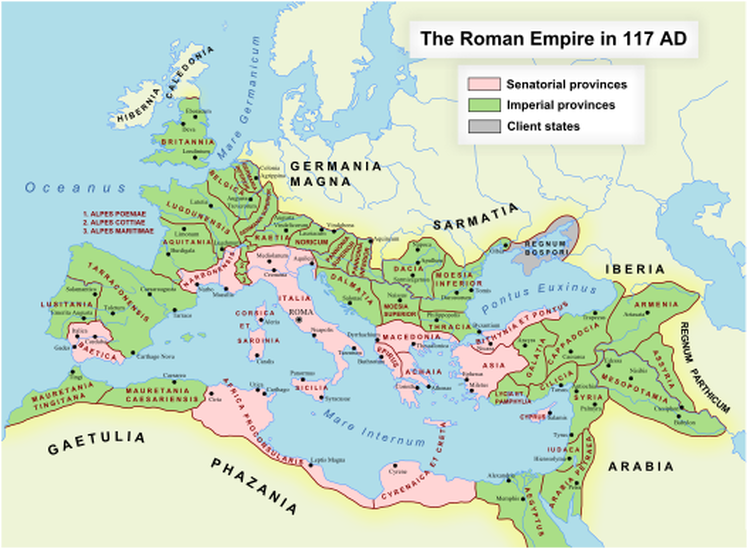
Pat mentioned a visit to Roman border posts in the Caucasus, most significant of which is the fort at Apsaros (modern Gonio, `Fortess of the Genoans’) in SW Georgia about 20 miles north of the present Turkish border and 10 miles south of the modern-day port of Batumi (ancient Bathys). Boundaries in this region fluctuated continually, depending on the balance of power between Parthia/Persia and Rome. The emperor Trajan made Armenia a Roman province in 114 A.D. but his successor Hadrian abandoned direct rule here as he did also in Mesopotamia and reverted to the policy of seeking control via client kings. The Parthians had similar ideas and the Armenian elite were frequently divided between pro-Roman and pro-Parthian factions. Septimus Severus, during whose reign (193 -211) the empire briefly reached its maximum extent of around 2 million square miles (see https://en.wikipedia.org/wiki/Septimius_Severus), again annexed much of Mesopotamia, but left Armenia as a dependent kingdom . By the time of the Treaty of Acsilene between Rome and Persia in c. 387, the pendulum had again swung in the Persian direction and the boundary then established ran roughly south from Apsaros, leaving about 80% of the historical Armenian kingdom under Persian control. In contrast, the present-day border of Turkey, successor state to the Eastern Roman Empire, runs south-eastwards.
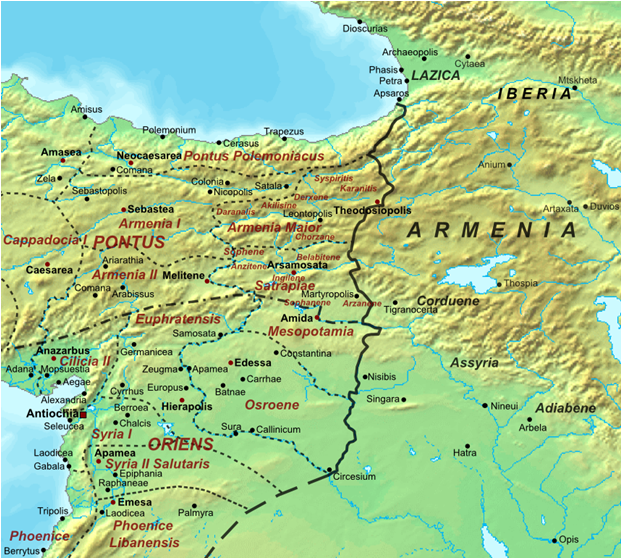
Persian-Roman border under the Treaty of Alcisene (387 A.D.?) (https://en.wikipedia.org/wiki/Roman_Armenia)
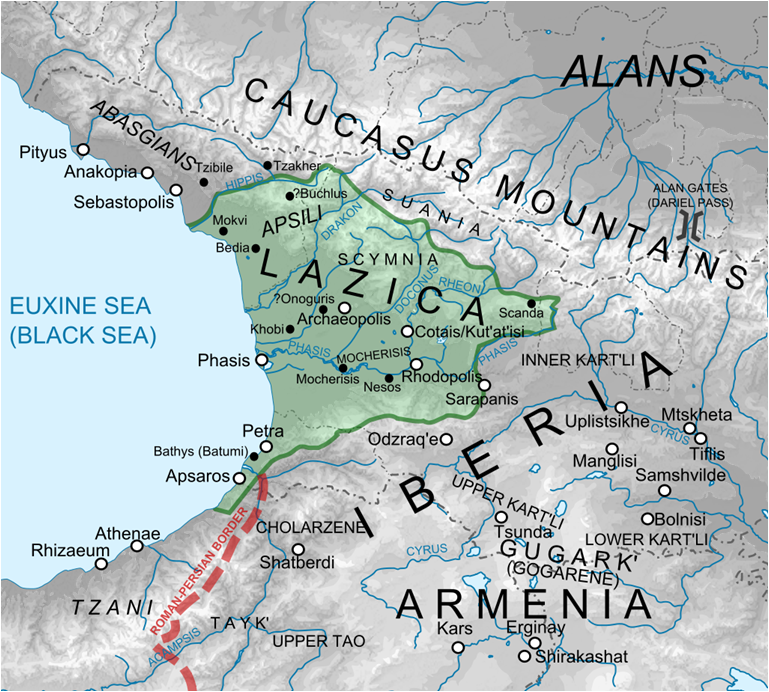
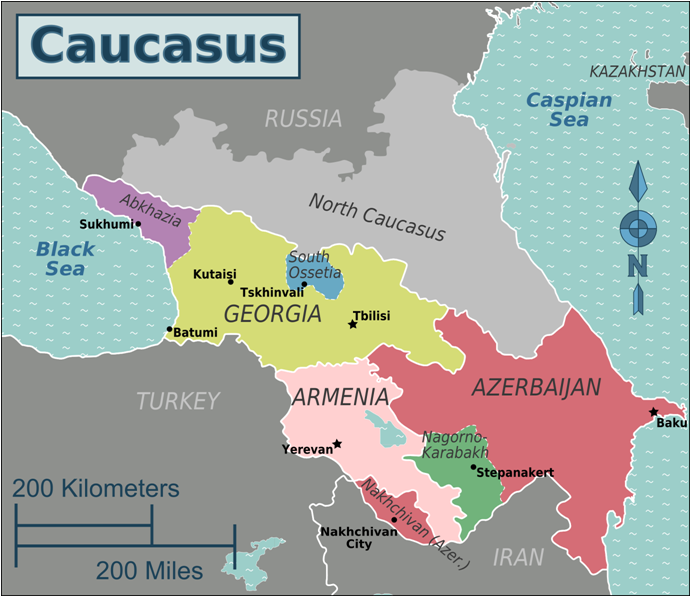
In the first half of the 1st century B.C. Armenia had been a major power in its own right, controlling territory from the Caspian to the Mediterranean but it made the mistake of siding with Mithridates of Pontos in his struggle with Rome and Pompey’s victory in the Third Mithridatic War (73-63 B.C.) greatly reduced its boundaries. Present-day Armenian territory coincides approximately with the territory occupied by ethnic Armenians, who speak an Iranic language in contrast to the Caucasian Georgians to the north and the Turkic Azeris to the east. The complex ethnic struggles in the region today were discussed in the Circulus meeting of 17/2/17 (pg 260 in the QUESTIONS ARISING (AMALGAMATED) file.) Colchis (the western part of Georgia) was known in Roman times as Lazica and was normally a Roman client kingdom. The Romans/Byzantines operated port facilities along the Black Sea coast, including at Bathys (Bitumi), Petra (developed as a replacement for Bathys in the 6th century under Justinian), Phasis and Sebastopolis (see map of Lazica above). Rome’s `forward policy’ in the region form Nero’s time onwards is briefly discussed in the description of the Apsaros fort at http://www.pontos.dk/publications/books/bss-8-files/bss-8-16-kakhidze
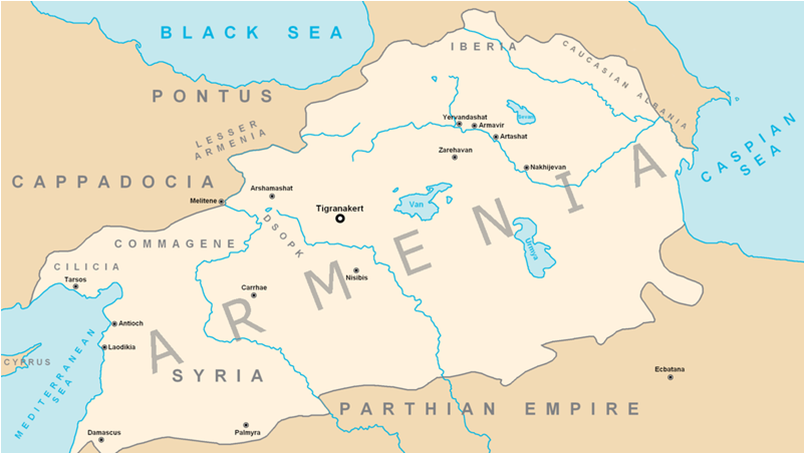
Armenian Empire under Tigranes the great (c.80 B.C.) https://commons.wikimedia.org/wiki/File:Armenian_Empire.png
We discussed briefly the description of Britain in Roman times as fertilis prōvincia tyrannōrum (`a province fertile in tyrants’), first found in a letter of St Jerome (late 4th century) and referring to the habit of commanders there to set themselves up as claimants to the imperial throne. It is widely known that Constantine was declared emperor at York in 306, though, as his father already had the status of senior western emperor, under Diocletian’s system of two Augustī as co-emperors and two Caesarēs as their deputies, Constantine was not a complete upstart. This description better fits Clodius Albinus, the governor of Britain proclaimed emperor by his troops in 193 A.D. but defeated and killed by Septimus Severus in Gaul in 197. Severus himself died at York (Eborācum) 211, whilst campaigning in northern Britain. Malcolm thought that Severus’s actual tomb had recently been discovered in the city but subsequent research suggests his ashes were deposited in Hadrian’s Mausoleum (aka the Castel Sant’Angelo - see https://en.wikipedia.org/wiki/Castel_Sant%27Angelo), as happened with all the emperors from Hadrian himself at least until Severus’s son Caracalla’s death in 217.
Septimus Severus was a Libyan, with an Italian mother and father of North African (probably mixed Berber and Punic (Phpoenician) descent ). Among his reforms was the disbandonment of the Praetorian Guard which had murdered Commodus’ssuccessor Pertinax, and the recruitment of replacements from his own legions. Entrance to this elte body was thus no longer confined to Italians, and, as centurions for other units were often recruited from it, this had an effect on the ethnc composition of NCOs in an army where the rank-and-file were already multi-ethnic. This broadening of the empire’s base was continued with Caracalla’s edict in 212 conferring Roman citizenship on all free men within its borders.
Septimus Seversus was not the only African to visit Roman York. Analysis of a number of skeletons found there, most famously one of an evidently wealthy young female buried, indicates that these had similar origins. This new, DNA-based evidence joins the monument to his British wife placed near the end of Hadrian’s Wall by an Arab merchant as evidence of how much interchange took place between the various parts of the empire. More information can be found at
http://www.yorkpress.co.uk/features/features/8826893.New_exhibition_about_Roman_Emperor_Septimius_Severus_at_the_Yorkshire_Museum/ and
https://www.theguardian.com/science/2010/feb/26/roman-york-skeleton
Septimus Severus was a Libyan, with an Italian mother and father of North African (probably mixed Berber and Punic (Phpoenician) descent ). Among his reforms was the disbandonment of the Praetorian Guard which had murdered Commodus’ssuccessor Pertinax, and the recruitment of replacements from his own legions. Entrance to this elte body was thus no longer confined to Italians, and, as centurions for other units were often recruited from it, this had an effect on the ethnc composition of NCOs in an army where the rank-and-file were already multi-ethnic. This broadening of the empire’s base was continued with Caracalla’s edict in 212 conferring Roman citizenship on all free men within its borders.
Septimus Seversus was not the only African to visit Roman York. Analysis of a number of skeletons found there, most famously one of an evidently wealthy young female buried, indicates that these had similar origins. This new, DNA-based evidence joins the monument to his British wife placed near the end of Hadrian’s Wall by an Arab merchant as evidence of how much interchange took place between the various parts of the empire. More information can be found at
http://www.yorkpress.co.uk/features/features/8826893.New_exhibition_about_Roman_Emperor_Septimius_Severus_at_the_Yorkshire_Museum/ and
https://www.theguardian.com/science/2010/feb/26/roman-york-skeleton
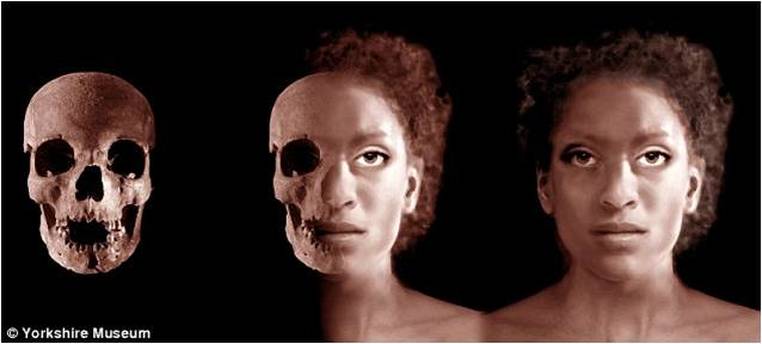
The `African Queen' of York
http://www.dailymail.co.uk/news/article-1254187/Revealed-The-African-queen-called-York-home-4th-century.html
We also talked about food taboos and John expressed appreciation for what he understood was the Buddhist tradition of preferring vegetarian food but eating meat if it was offered. One story about Gautam Buddha’s death is that it was the result of food poisoning from meat placed in his alms bowl but the version Malcolm heard was that his last meal consisted of mushrooms. It transpires that Theravadin Buddhists generally believed it was pork and Mahayanist (Tibetan-style Buddhists) that it was truffles. Possibly a word meaning food preferred by pigs (which would include truffles) waa misinterpreted as referring to pig flesh (see https://en.wikipedia.org/wiki/Gautama_Buddha)
We read the conclusion to Cicero’s 2nd. Philippic, a speech written in 43 B.C. which foreshadowed Cicero’s own death a few months later, and also the same author’s earlier letters to his friend Atticus on a quarrel between his brother and sister-in-law and to his freedman Tiro on the latter’s illness. For a general introduction to Cicero’s life and writings, see CICERO.ppt, downloadable from https://linguae.weebly.com/igcse-latin.html
Pat was a little doubtful whether Cicero’s complex prose style would have been intelligible even to native speakers if just relying on their ears. John thought that, though published versions might differ slightly from speeches as delivered, the difference would not have been very great and, given that Cicero’s whole purpose was to persuade, he must have been comprehensible to his audience. We overestimate the difficulty of Latin ousrselves because of the way in which we learn it nowadsays – going straight from very simple matrial to `high literature’ with very little in between. We also noted that Chris, who was unfortunately not with us tonight, had written a dissertation on Cicero and would be the best person to answer this question. On a lighter side John retold an anecdote he had heard from Chris about a senator who arrived fifteen minutes after Cicero had started speaking and whispered to the man beside him `What’s he been saying?’. The reply was `I don’t know. He hasn’t got to the verb yet!’
There was also the problem of how orators in the ancient world made themselves heard by large assemblies. A thorough training in voice projection and the good acoustics of some venues like amphitheatres will have helped. Somebody also mentioned as a possibility, the practice in some mosques before the advent of microphones of having assistants relay the imam’s words.
We noted Cicero’s use of the Greek term κακοστόμαχος (kakostomachos, with a bad stomach) and Malcolm thought this was natural given that Greek medicine was acknowledged to be more advanced than Roman. In fact, Cicero frequently inserts Greek words into his correspondence, much as Hong Kong Chinese insert English into their conversation. There could be various reasons for this, including just a desire to show off his knowledge of the language. However, Cicero, as an accomplished interpreter of Greek philosophical literature had really nothing to prove, so force of habit and also, when writing to Atticus, the wish to appeal to a shared interest in Greek culture, was probably the right explanation.
The notes with the Cicero selections were prepared for an IGCSE examination candidate and thus very detailed but we discussed a couple of points further. Valerie though that vīderis(vīderīs?) in line two of the 2nd Philippic passage was definitely perfect subjunctive used as a command rather than a prediction with the future perfect. These two tenses are virtually identical, except in the first person singular where the future perfect -erō is replaced by subjunctive -erim. The perfect subjunctive could also sometimes differ in retaining the original long ī before the personal endings –s, -mus and –tis, where the future perfect, and also the perfect subjunctive itself in colloquial speech, had short i. These older forms were sometimes used by poets, and can normally be identified from the meter, but, since the romans notmally did not mark vowel length, there is no way of knowing whether Cicero himself actually said vīderis or vīderīs. In the letter on Quintus’s matrimonial difficulties, Pat felt the use of the pronoun illa for his wife Pomponia was strongly pejorative ( `that woman’) whilst John noted the great frequency of the use of ille, illa etc. (they evolved later into the standard Romance personal pronouns) and doubted whether there was any special significance in this case,
The obvious affection of Cicero and hs family for Tyro, who had once been a slave but was freed in 53 BC., led on to a discussion of the condition of slaves in general. Although there were in theory legal restraints – an owner did not have the right to kill a slave just on a whim – in practice house slaves were in the same position as animals: they might be treated very well or very badly, depending entirely on their master’s discretion. In the best cases, genuine affection might develop and a slave could, like Tiro, be given his or her freedom. The other extreme is represented by the story of Vedius Pollio, the cruel master who ordered a slave to be thrown into a pool of flesh-eating eels as punishment for breaking an expensive drinking glass. This particular slave was saved by the intervention of Augustus, who was a dinner guest that night, but many others were not so lucky.
The law also allowed for execution of all the slaves in a household should any one of them kill a member of the master’s family. In one recorded instance, during Nero’s reign (54-68 A.D.), the family of the murdered Pedanius Secundus insisted on this punishment, despite strong opposition amongst the ordinary people of Rome. Nero had to have the Praetorian Guard lining the streets to suppress the protests taking place as all 400 were put to death. Public sympathy for the innocent victims was natural enough, as slaves in Rome were not physically distinguishable from poorer free citizens, and many of the latter were themselves freedmen or the descendants of freedmen (see Peter Hunt, Ancient Greek and Roman Slavery, p.153 - https://books.google.com.hk/books?id=8qg1DwAAQBAJ)
There was brief consideration of slavery in other cultures. Zhang Wei thought that the treatment of household slaves during the Qing dynasty was relatively mild, and it was also noted that the Turks using slaves (mostly criminals) to row their galleys down to the early 19th century. Turning to the status of the descendants of former slaves in the USA, John was puzzled why the term `Negro’, regularly used by Black people themselves down to the 1960s. Malclom thought that association with the clearly pejorative `Nigger’ was part of the reason for the change.
This prompted a brief discussion of the much more acceptable term gweilo, which, though in origin pejorative, is now felt by many people to be simply informal. In the Circulus, Pat prefers to Latinize this as umbravir (`ghost man’) and Pat as vir daemoniacus (`devilish man’).
There was mention again of Robert Harris’s historical novels, including the trilogy on Cicero. John also particularly recmended Pompeii and Malcolm told us about his latest book, Munich, which centres on the 1938 agreeement to allow Hitler to take control of the Sudetenland and, like Harris’s Roman books, is soundly based in known historical fact but speculates about other possibilities.
http://www.dailymail.co.uk/news/article-1254187/Revealed-The-African-queen-called-York-home-4th-century.html
We also talked about food taboos and John expressed appreciation for what he understood was the Buddhist tradition of preferring vegetarian food but eating meat if it was offered. One story about Gautam Buddha’s death is that it was the result of food poisoning from meat placed in his alms bowl but the version Malcolm heard was that his last meal consisted of mushrooms. It transpires that Theravadin Buddhists generally believed it was pork and Mahayanist (Tibetan-style Buddhists) that it was truffles. Possibly a word meaning food preferred by pigs (which would include truffles) waa misinterpreted as referring to pig flesh (see https://en.wikipedia.org/wiki/Gautama_Buddha)
We read the conclusion to Cicero’s 2nd. Philippic, a speech written in 43 B.C. which foreshadowed Cicero’s own death a few months later, and also the same author’s earlier letters to his friend Atticus on a quarrel between his brother and sister-in-law and to his freedman Tiro on the latter’s illness. For a general introduction to Cicero’s life and writings, see CICERO.ppt, downloadable from https://linguae.weebly.com/igcse-latin.html
Pat was a little doubtful whether Cicero’s complex prose style would have been intelligible even to native speakers if just relying on their ears. John thought that, though published versions might differ slightly from speeches as delivered, the difference would not have been very great and, given that Cicero’s whole purpose was to persuade, he must have been comprehensible to his audience. We overestimate the difficulty of Latin ousrselves because of the way in which we learn it nowadsays – going straight from very simple matrial to `high literature’ with very little in between. We also noted that Chris, who was unfortunately not with us tonight, had written a dissertation on Cicero and would be the best person to answer this question. On a lighter side John retold an anecdote he had heard from Chris about a senator who arrived fifteen minutes after Cicero had started speaking and whispered to the man beside him `What’s he been saying?’. The reply was `I don’t know. He hasn’t got to the verb yet!’
There was also the problem of how orators in the ancient world made themselves heard by large assemblies. A thorough training in voice projection and the good acoustics of some venues like amphitheatres will have helped. Somebody also mentioned as a possibility, the practice in some mosques before the advent of microphones of having assistants relay the imam’s words.
We noted Cicero’s use of the Greek term κακοστόμαχος (kakostomachos, with a bad stomach) and Malcolm thought this was natural given that Greek medicine was acknowledged to be more advanced than Roman. In fact, Cicero frequently inserts Greek words into his correspondence, much as Hong Kong Chinese insert English into their conversation. There could be various reasons for this, including just a desire to show off his knowledge of the language. However, Cicero, as an accomplished interpreter of Greek philosophical literature had really nothing to prove, so force of habit and also, when writing to Atticus, the wish to appeal to a shared interest in Greek culture, was probably the right explanation.
The notes with the Cicero selections were prepared for an IGCSE examination candidate and thus very detailed but we discussed a couple of points further. Valerie though that vīderis(vīderīs?) in line two of the 2nd Philippic passage was definitely perfect subjunctive used as a command rather than a prediction with the future perfect. These two tenses are virtually identical, except in the first person singular where the future perfect -erō is replaced by subjunctive -erim. The perfect subjunctive could also sometimes differ in retaining the original long ī before the personal endings –s, -mus and –tis, where the future perfect, and also the perfect subjunctive itself in colloquial speech, had short i. These older forms were sometimes used by poets, and can normally be identified from the meter, but, since the romans notmally did not mark vowel length, there is no way of knowing whether Cicero himself actually said vīderis or vīderīs. In the letter on Quintus’s matrimonial difficulties, Pat felt the use of the pronoun illa for his wife Pomponia was strongly pejorative ( `that woman’) whilst John noted the great frequency of the use of ille, illa etc. (they evolved later into the standard Romance personal pronouns) and doubted whether there was any special significance in this case,
The obvious affection of Cicero and hs family for Tyro, who had once been a slave but was freed in 53 BC., led on to a discussion of the condition of slaves in general. Although there were in theory legal restraints – an owner did not have the right to kill a slave just on a whim – in practice house slaves were in the same position as animals: they might be treated very well or very badly, depending entirely on their master’s discretion. In the best cases, genuine affection might develop and a slave could, like Tiro, be given his or her freedom. The other extreme is represented by the story of Vedius Pollio, the cruel master who ordered a slave to be thrown into a pool of flesh-eating eels as punishment for breaking an expensive drinking glass. This particular slave was saved by the intervention of Augustus, who was a dinner guest that night, but many others were not so lucky.
The law also allowed for execution of all the slaves in a household should any one of them kill a member of the master’s family. In one recorded instance, during Nero’s reign (54-68 A.D.), the family of the murdered Pedanius Secundus insisted on this punishment, despite strong opposition amongst the ordinary people of Rome. Nero had to have the Praetorian Guard lining the streets to suppress the protests taking place as all 400 were put to death. Public sympathy for the innocent victims was natural enough, as slaves in Rome were not physically distinguishable from poorer free citizens, and many of the latter were themselves freedmen or the descendants of freedmen (see Peter Hunt, Ancient Greek and Roman Slavery, p.153 - https://books.google.com.hk/books?id=8qg1DwAAQBAJ)
There was brief consideration of slavery in other cultures. Zhang Wei thought that the treatment of household slaves during the Qing dynasty was relatively mild, and it was also noted that the Turks using slaves (mostly criminals) to row their galleys down to the early 19th century. Turning to the status of the descendants of former slaves in the USA, John was puzzled why the term `Negro’, regularly used by Black people themselves down to the 1960s. Malclom thought that association with the clearly pejorative `Nigger’ was part of the reason for the change.
This prompted a brief discussion of the much more acceptable term gweilo, which, though in origin pejorative, is now felt by many people to be simply informal. In the Circulus, Pat prefers to Latinize this as umbravir (`ghost man’) and Pat as vir daemoniacus (`devilish man’).
There was mention again of Robert Harris’s historical novels, including the trilogy on Cicero. John also particularly recmended Pompeii and Malcolm told us about his latest book, Munich, which centres on the 1938 agreeement to allow Hitler to take control of the Sudetenland and, like Harris’s Roman books, is soundly based in known historical fact but speculates about other possibilities.

Marcus Tullius Cicero, 2nd. Philippic
Respice, quaesō, aliquandō rem pūblicam, Marce Antonī; quibus ortus sīs, nōn quibuscum vīvās, consīderā; mēcum, ut volēs; redī cum rē pūblicā in grātiam. Sed dē tē tū vīderis, ego dē mē ipse profitēbor. Dēfendī rem pūblicam adulescēns, non dēseram senex; contempsī Catilīnae gladiōs, nōn pertimēscam tuōs. Quin etiam corpus libenter obtulerim, si repraesentārī morte meā lībertas cīvitātis potest, ut aliquandō dolor populī Rōmānī pariat quod iam diū parturit! Etenim, sī abhinc annōs prope vīgintī hōc ipsō in templō negāvi posse mortem immatūram esse cōnsulārī, quantō vērius nunc negābō senī? Mihi vērō, patrēs cōnscrīptī, iam etiam optanda mors est perfunctō rēbūs iīs quās adeptus sum quāsque gessī. Duo modo haec optō, ūnum ut moriēns populum Rōmānum līberum relinquam – hōc mihi maius ab dīs immortālibus darī nihil potest – alterum, ut ita cuique ēveniat, ut dē rē pūblicā quisque mereātur.
Respice, quaesō, aliquandō rem pūblicam, Marce Antonī; quibus ortus sīs, nōn quibuscum vīvās, consīderā; mēcum, ut volēs; redī cum rē pūblicā in grātiam. Sed dē tē tū vīderis, ego dē mē ipse profitēbor. Dēfendī rem pūblicam adulescēns, non dēseram senex; contempsī Catilīnae gladiōs, nōn pertimēscam tuōs. Quin etiam corpus libenter obtulerim, si repraesentārī morte meā lībertas cīvitātis potest, ut aliquandō dolor populī Rōmānī pariat quod iam diū parturit! Etenim, sī abhinc annōs prope vīgintī hōc ipsō in templō negāvi posse mortem immatūram esse cōnsulārī, quantō vērius nunc negābō senī? Mihi vērō, patrēs cōnscrīptī, iam etiam optanda mors est perfunctō rēbūs iīs quās adeptus sum quāsque gessī. Duo modo haec optō, ūnum ut moriēns populum Rōmānum līberum relinquam – hōc mihi maius ab dīs immortālibus darī nihil potest – alterum, ut ita cuique ēveniat, ut dē rē pūblicā quisque mereātur.
|
respiciō, respicere, respexī, respectum look back at, take notice of quaesō please (literally: `I ask’)
aliquandō sometimes, for once rēs pūblica, reī pūblicae f republic, state orior, orīrī, ortus sum rise, be sprung from quī, quid who, which, that (interrogative pronoun) quibus ortus sīs: indirect question (with perfect subjunctive) dependent on cōnsīderā ; the reference is to Anthony’s grandfather who had died fighting on the side of the senatorial elite against the populist general, Marius, quibuscum...mēcum: the preposition cum acts as a `postposition’ with some xcommon pronouns.obtrectō, vīvō, vīvere, vīxī live. Subjunctive again in a reported question, volō, velle, voluī want, wish (volēs is future tense). redeō, redīre, rediī, reditum return grātia, -ae f favour, grace dē, about tē yourself tū the subject pronoun is used here for emphasis and for contrast with the accusative tē videō, vidēre, vīdī, vīsum see (vīdēris is perfect subjunctive used in place of the imperative. ipse, ipsa, ipsum self (emphatic); translated `myself’ when used in the nominative with a 1st person singular verb. profiteor, -fitērī, -fessus sum make a declaration, dēfendō, -er, -fendī, -fēnsum defend adulescēns, entis m young man dēserō, -ere, –seruī, -sertum desert. senex, senis m old man contemnō, -ere, -tempsī , -temptum despise. Catilīna. -ae m leader of an attemted overthrow of the government which Cicero suppressed, as consul in 63 B.C. gladius, -ī m sword. pertimēscō, -ere, -timuī be very scared of. tuus, -a, -um your exsilium, -ī n um quin indeed, that not. corpus, corporis n body libenter gladly. offerō, offerre, obtulī, oblātum. offer (obtulerim is perfect subjunctive used instead of the more usual present in the sernse `I would offer’. repraesentō, -ārī, -sentāvi, -sentātum revive. mors, mortis f death. lībertas, lībertātis f cīvitās, cīvitātis f state possum, posse, posuī be able. |
aliquandō at long last dolor, dolōris m sorrow, pain populus, -ī m, people pariō, parere, peperī, partum give birth to (present subjunctive in purpose clause). quod that which. iam now, already, diū for a long time, parturiō, -turīre, -turīvī/-turiī, -turītum be pregnant with (Cicero is referring to the struggle to secure republican freedom against those wishing to establish their own dictatorship.) etenim and indeed, for. sī if abhinc ago annus, -ī m year. prope nearly. vīgintī twenty. hic, haec, hōc this (hōc ipsō in templō, in this very temple – referring to the Templeof Concord in which Cicero had made his fourth speech against Catiline.
negō (1) deny. immatūrus, -a, um, premature, too early; posse mortem immatūram (accusative and infinitive in indirect statement) `that death can betoo early’ cōnsulārīs, cōnsulāris m man whohas been consul. quantō (by) how much verius more truly nunc now. mihi (dative) for me. vērō, indeed. cōnscrīptī patrēs, `enrolled fathers’, the title by which the assembled senators were addressed, perfungor, -fungī, -functus sum carry out. iīs = eīs (ablative plural of is, ea, id). adipiscor, adipiscī, adeptus sum obtain. gerō, gerere, gessī, gestum achieve. faciō, facere, fēcī, factum do rēbus iīs: refers both to the office Cicero obtained and to the things he achieved in it. duo two modo only optō (1) wish for, ūnum one (thing) morior, morī, mortuus sum die. līber, lībera, līberum free. relinquō, -er, -līquī, -lictum leave hōc: ablative of comparison (`than this’) maius greater dīs: contracted abl. plural of deus, god) immortālis, -e immortal do, dare, dedī, datum give alterum the other (thing) cuique (dative of quisque, quaeque, quidque, each ēveniō, -īre, ēvēnī, ēventum turn out (subjunctive in the wish clause dependent on ut). ut (with indicative) as dē concerning. mereor, merērī, meritus sum deserve |
From a letter to Cicero’s friend Atticus
Cicero tells Atticus about a quarrel between Quintus and Atticus’s sister
Ut vēnī in Arpīnas, cum ad mē frāter vēnisset, in prīmīs nōbīs sermō isque multus dē tē fuit. ex quō ego vēnī ad ea quae fuerāmus ego et tū inter nōs de sorōre in Tusculānō locūtī. nihil tam vīdī mīte, nihil tam plācātum quam tum meus frāter erat in sorōrem tuam, ut, etiam sī qua fuerat ex ratiōne sumptūs offēnsiō, non appārēret. ille sīc diēs.
Postrīdiē ex Arpīnātī profectī sumus. Ut in Arcānō Quīntus manēret diēs fēcit, ego Aquīnī, sed prandimus in Arcāno. Nōstī hunc fundum. Quō ut vēnimus, hūmānissime Quīntus ‘Pompōnia’ inquit ‘tū invītā mulierēs, ego virōs accīvero.’ nihil potuit, mihi quidem ut vīsum est, dulcius idque cum verbīs tum etiam animō ac vultū. at illa audientibus nōbīs ‘ego ipsa sum’ inquit ‘hīc hospita,’ id autem ex eō, ut opīnor, quod antecesserat Stātius ut prandium nōbīs vidēret. Tum Quīntus ‘ēn’ inquit mihi ‘haec ego patior cotīdiē.’
|
ut (with indicative) when, as
veniō, -īre, vēnī, ventum come Arpīnas, Arpīnātis (adj) belonging to Arpinum Cicero’s home-town, 65 miles SE of Rome). The word here is in the neuter accusative, with a word like praedium (-ī n, `estate’) understood. frāter, frātris m brother appāreō, -ēre, apparuī. appear cum (conjunction) when, since (used here, as often, with plpf subjunctive]. prīmus, -a, -um first; in prīmīs, (at) first sermō, -ōnis m conversation, talk nōbīs…fuit: literally `to us (dat.) conversation was about you and that [was] a lot’ (i.e. `we had a conversation about you and it was a long one’; prn. is is masc referring to sermō) ex eō: `from that’, i.e. afterwards, subsequently ea quae (n.pl.) `things which’. fuerāmus….locūtī: plpf of loquor (loquī, locūtus sum) would normally be locutī erāmus but Cicero has substituted fuērāmus (`we had been’) for erāmus and fronted the auxiliary, probably to emphasise this was something they had aready talked about some time before inter nōs (acc.): `between ourselves’, `with each other’..soror, sorōris f sister (Quintus’s wife Pomponia was Atticus’s sister) Tusculānus, -a, -um (adj.) connected with Tusculum, a small town 15 miles SE of Rome where Cicero often stayed on route to Arpinum (see map). A word like praediō (estate) is again to be understood with the adjective tam so (going with the adjective mītis, -e mild.) plācō (1) appease, make calm tum at that time etiam sī even if quī, qua/quae, quod (adj.) any ratiō, ratiōnis f method, thinking, accounting sumptus, -ūs m spending, consumption, expenses dē ratiōne sumptūs = about the expense accounts; |
offēnsiō, -iōnis f offence
ille sīc diēs: `that day [went] thus’ postrīdiē on the next day ex Arpinātī from the Arpinum estate’ proficīscor. –ficīscī, -fectus sum set out Arcānus, -a, -um of Arcae (town between Arpinum and Aquinum.) maneō, -ēre, mānsī, mānsum remain faciō, facere, fēcī, factum make; fēcit ut + subj: caused it to happen that..; Quintus was probably required to preside over a local festival Aquīnum, -ī n town of Aquinum (see map); Aquīnī is locative. prandeō, -ēre, prandī, prānsum have lunch n nōstī = nōvistī (you know – pft, of nōscō, -ere, ōvī, nōtum get to know) fundus, -ī m farm quō to where hūmānus, -a, -um humane, considerate invītō (1) call in acciō, -īre, -īvī/-iī, -ītum summon (future perfect may be meant to emphasise Quintus wil lhave finished bringing in the men by the time Pomponia has the women ready, but it might also have been regarded as more polite than the simple future) possum, posse, potuī be able dulcius, sweeter mihi quidem ut vīsum = as it seemed at any rate to me. idque `and that’ cum….tum: not only but also verbum, -ī n word animus, -ī m spirit vultus, -ūs m face, expression. at but illa she audientibus nōbīs (abl. absol.): `as we listened’, `in our hearing’ ego ipsa I myself hīc here hospita, -ae f guest; the word can also mean `hostess’ but her meaning is clearly `I’m only a guest here’! opīnor, -ārī, -ātus sum believe antecēdō, -ere, -cessī, -cessum go ahead ex eō..quod = for the reason that. Stātius, -ī m: a favourite slave or freedman of Quintus and evidently object of Pomponia’s jealousy. prandium, -ī n lunch en look! see! haec: `these things’ (i.e `this kind of thing’) patior, patī, passus sum suffer cotīdiē daily |
Dīcēs ‘quid quaesō istūc erat?’ Magnum; itaque mē ipsum commōverat; sīc absurdē et asperē verbīs vultūque responderat. Dissimulāvī dolēns. Discubuimus omnēs praeter illam, cui tamen Quīntus dē mēnsā mīsit; illa reiēcit. Quid multa? Nihil meō frātre lēnius, nihil asperius tuā sorōre mihi vīsum est; et multa praetereō quae tum mihi maiōrī stomachō quam ipsī Quīntō fuērunt. Ego inde Aquīnum. Quīntus in Arcānō remānsit et Aquīnum ad mē postrīdiē māne vēnit mihique nārrāvit nec sēcum illam dormīre voluisse et cum discessūra esset fuisse eiusmodī quālem ego vīdissem. Quid quaeris? Vel ipsī hoc dicās licet, hūmānitātem eī meō iūdiciō illō diē dēfuisse.
|
dīcō, -ere, dīxī, dictum say
quis, quid who, what quaesō please (lit: `I ask’) istūc to that point (quid…istūc erat: `what was wrong with that,? magnum a lot, plenty (lit: `big’) itaque and so ipse, ipsa, ipsum self (emphatic) commōveō, -ēre, -mōvī, -mōtum stir up, excite, disturb absurdus, -a, um absurd asper, aspera, asperum rough (-ē is the adverbial termination) absurdē et asperē: note the alliteration verbum, -ī n vultus, -ūs m face, expression respondeō, -ēre, -ondī, -ōnsum reply dissimulō (1) disguise (feelings) doleō, -ēre, doluī be in pain or sorrow discumbō, -ere, -cubuī, -cubitum lie down separately (to eat); at a formal meal, the diners would lie down on couches arranged on three sides of the table. omnis, -e all praeter except ille, illa, illud that (used often smply for `her’, `him’ etc.) cuī: dative of relative pronuoun (`to/for whom’) tamen however dē from mittō, -ere, mīsī, missum send (presumably food was sent to Pomponia’s room where she was sulking) reiciō, -icere, -iēcī, -iectum reject, throw back quid multa (lit `what many?’ )`what’s the point of saying more?’ meō frātre…tuā sorōre: ablatives of comparison (= quam meus frāter/tua soror). The order in the second parallel statement (ablative, comparative) reverses that in the first (comparative, ablative), a figure of speech kown as chiasmus, frequently used for emphasis. Kennedy and Davies suggest that its use here is rather tactless on Cicero’s part! lēnis,-e mild, gentle (used in neuter comparative) visum est: seemed, was seen (videō, -ēre, vīdī, vīsum) praetereō. –īre, iī, -itum pass over quae tum mihi maior, maius bigger stomachus, -ī m stomach, annoyance. |
mihi maiōrī stomachō …fuērunt: were a bigger annoyance (literally `for a bigger annoyance’) to me than to Quintus himself’ (`double dative ‘construction)
inde from that point Aquīnum: `to Aquīnum’ (accus. of destination with place name);. in Arcānō: `at the Arcan estate’ remaneō, -ēre, -mānsī, -mānsum remain. Aquīnum ad mē: `to Aquinum to me’ (ie `to me at Aquinum’; the Latin order logically puts the town first then the person who had to be found inside it). postrīdiē on the next day māne in the morning vēnit: note long vowel in perfect stem of veniō nārrō (1) narrate, tell sēcum: literally `with self’, referring back to Quīntus as subject of nārrāvit; in reported speech the relative ponoun may refer either to the subject of the accusative-infinitive clause or to the subj, of the whole sentence illam: her dormiō, -īre, -īvī/iī, -ītum sleep volō, velle, voluī wish ; voluisse is perf. infinitive (`to have wished’) discessūra: fem. of future participle from discēdō, -ere, -cessī, -cessum, depart cum discessūra esset: `when she was about to leave’ fuisse:`to have been’ (perf. inf. of sum) eiusmodī : of that kind quālis, -e of which/what (sort) vīdissem: subjunctive (pluperfect) in a subordinate clause within a reported statement. Quid quaeris: `what are you looking for?’ (i.e `What more do you need to know?’) vel ipsī; `even to [Pomponia] herself’ licet: it is permissible (used here with subjunctive rather than the more usual dative and infinitive) hoc dīcās: `that you should say this’ hūmānitās, -tātis f humanity, kindness, good nature dēsum, dēesse, dēfuī: be lacking eī…dēfuisse: (lit: `to her to have been lacking’): `that she lacked kindness’ iūdicium, -ī n judgement; meō iūdiciō: `in my judgement’ illō diē: on that day. diē dēfuisse: note the alliteration |
From a letter to his young secretary, Tiro
writes to his secretary begging him to get better soon.
TULLIUS TIRŌNĪ SUŌ SAL. PLŪR. DĪC. ET CICERŌ ET Q. FRĀTER ET Q. F.
Variē sum affectus tuīs litterīs: valdē priōre pāginā perturbātus, paullum alterā recreātus: quārē nunc quidem nōn dubitō, quīn, quoad plānē valeās, tē neque nāvigātiōnī neque viae committās: satis tē matūrē vīderō, sī plānē confirmātum vīderō.
Dē medicō et tū bene existimārī scrībis et ego sīc audiō; sed plānē cūrātiōnēs eius nōn probō; iūs enim dandum tibi nōn fuit, cum κακοστόμαχος essēs; sed tamen et ad illum scrīpsī accūrāte et ad Lysōnem. Ad Curium vērō, suāvissimum hominem et summī officiī summaeque hūmānitātis, multa scrīpsī, in iīs etiam, ut, sī tibi vidērētur, tē ad sē trāferret; Lysō enim noster vereor nē negligentior sit: prīmum, quia omnēs Graecī; deinde quod, quum ā mē litterās accēpisset, mihi nūllās remīsit; sed eum tū laudās: tu igitur, quid faciendum sit, iūdicābis.
writes to his secretary begging him to get better soon.
TULLIUS TIRŌNĪ SUŌ SAL. PLŪR. DĪC. ET CICERŌ ET Q. FRĀTER ET Q. F.
Variē sum affectus tuīs litterīs: valdē priōre pāginā perturbātus, paullum alterā recreātus: quārē nunc quidem nōn dubitō, quīn, quoad plānē valeās, tē neque nāvigātiōnī neque viae committās: satis tē matūrē vīderō, sī plānē confirmātum vīderō.
Dē medicō et tū bene existimārī scrībis et ego sīc audiō; sed plānē cūrātiōnēs eius nōn probō; iūs enim dandum tibi nōn fuit, cum κακοστόμαχος essēs; sed tamen et ad illum scrīpsī accūrāte et ad Lysōnem. Ad Curium vērō, suāvissimum hominem et summī officiī summaeque hūmānitātis, multa scrīpsī, in iīs etiam, ut, sī tibi vidērētur, tē ad sē trāferret; Lysō enim noster vereor nē negligentior sit: prīmum, quia omnēs Graecī; deinde quod, quum ā mē litterās accēpisset, mihi nūllās remīsit; sed eum tū laudās: tu igitur, quid faciendum sit, iūdicābis.
|
TULLIUS Cicero refers to himself by his nōmen (clan name) and adds the names of other family members who also send greetings to Tiro.
TIRŌNĪ: `to Tiro’, a slave of Cicero’s freed in 53 B.C. and thereafter known as Marcus Tullius Tirō. He served as Cicero’s secretary and published his correspondence after his death. SAL. PLŪR. DĪC: i.e. salūtem plūrimam dīcit (`says very much greeting’), a standard opening for a letter, CICERŌ: i.e. Cicero’s son, who had the same three names as hs father but, as customary, was referred to in the family by his cognōmen alone. Q.FRĀTER: Cicero’s brother Quintus. Q.F.: Quīntus fīlius, i.e. Cicero’s nephew. varius, -a, -um various, diverse afficiō, afficiere, affēcī, affectum affect pāgina, -ae f page prior, -ius first, earlier perturbō (1) disturb, upset paullum, a little (adv) alter, altera, alterum (the)other recreō (1) revive, refresh quārē for reach reason (lit:: `by which thing’) nunc now quidem indeed dubitō (1) doubt quīn that, whereby not (used after negative verbs of doubting). quoad intil, as long as plānus, -a, -um flat, obvious valeō, -ēre, valuī be well, be strong (subjunctive is used after quoad when the focus is on what is anticipated, not on actually occurs) nāvigātiō, -ōnis f voyage via -ae f road committō, -ere, -mīsī, -missum, entrust, commit (subjunctive is needed in a quīn clause but also here gives idea of obligation) satis enough matūrē early. satis…vīderō…vīderō: future perfects used here as focus is on a future point at which Cicero will already have seen Tiro. dē about, concerning medicus, -ī m doctor et: here meaning `also’ existimō (1) think of, estimate bene existimārī: `to be well thought of’ (i.e. `that he is well thought of’; acusative subject fir the infinitive (e.g. eum) is understood) scrībō, -ere, |
scrīpsī, scrīptum write sīc thus audiō, -īre, -īvī, -ītum hear
cūrātiō, -iōnis f cure, treatment probō (1) approve of; iūs, iūris n soup, broth dandum: gerundive of obligation from dō, dare, dedī, datum give tibi nōn dandum tibi nōn fuit: `should not have been given to you’ (tibi could theoretically also mean `by you’ but this would not make sense) cum since (with subjunctive essēs) κακοστόμαχος (cacostomachos) Greek for `with a bad stomach’) sed tamen however accūrāte in detail, with care Lysō, Lysōnis a Greek in whose house at Patras (a port city, now the regional capital of southern Greece) Tiro was staying. Curius, -ī m a Roman money-lender living in Patras. suāvis, -e agreeable officium, -ī n duty hūmānitās, -ātis f kindness in eīs: `in them’ (i.e. among the many things C. put in the letter vidērētur: `if it should seem [good]’ trā(ns)ferō, -ferre, -tulī, -lātum carry across, transfer ut…trāferret: sunbjuctive clause of reported request or command (`that he should bring you over…) ad sē: `to himself’, i.e. to Curius’s own house noster,, -tra, -trum our; omnis, -e all, every vereor, -ērī, veritus sum fear negligēns, -entis careless; the comparative here has the sense `rather careless’ omnēs Graecī = omnēs Graecī sunt negligentiōrēs nē..sit: `that he may be’; Latin uses nē after a verb of fearing because the clause is in origin a wish that the thing feared will not happen deinde then quod because, quum = cum (when) litterāe, -ārumf.pl. accipiō, -ere, -cēpī, -ceptum receive nūllus, -a, -um none remittō, -ere, -mīsī, -missum send back laudō (1) praise igitur therefore, quid faciendum sit: `what should be done’ (gerundive of obligation, subjunctive in a reported question) iūdicō (1) judge |
Illud, mī Tīrō, tē rogō, sūmptū nē parcās ūllā in rē, quod ad valētūdinem opus sit: scrīpsī ad Curium, quod dīxissēs, daret; medicō ipsī putō aliquid dandum esse, quō sit studiōsior. Innumerābilia tua sunt in mē officia, domestica, forēnsia, urbāna prōvinciālia, in rē prīvātā in pūblicā, in studiīs in litterīs nostrīs: omnia vīceris, sī, ut spērō, tē validum vīderō. Ego putō tē bellissimē, sī rēctē erit, cum quaestōre Mescīniō dēcursūrum: nōn inhūmānus est tēque, ut mihi vīsus est, dīligit. Et, cum valētūdinī tuae dīligentissimē tum, mī Tīrō, cōnsulitō nāvigātiōnī: nūllā in rē iam tē festīnāre volō; nihil labōrō nisi ut salvus sīs.
|
ille, illa, illud that
mī: masc. voc. sing. form of meus (`my dear Tiro’) rogō (1) ask, request sumptus, -ūs m expense; sumptū is an alternative form of the more usual dative sumptuī, parcō, -ere, pepercī/parsī spare (with dat.) sumptū nē parcās: subjunctive in indirect command clause, with sumptū placed before nē for emphasis ūllus, -a, -um any rēs, rēī f thing, affair quod which (refers to feminine rē but attracted into the neuter to agree with its complement, opus) opus, operis n work, necessity quod….opus sit: `which may be necessary’ (the more usual construction would be with ablative of thing needed – quā opus sit (`of which there may be need’); sit is subjunctive as it is inside the subjunctive nē…parcās clause. ad for purpose of valētūdō, -tūdinis f health scrībō, -ere, scrīpsī, scrīptum write quod dīxissēs…dāret: `[saying that] he should give what you had said’ (indirect command clause with ut understood). Presumably Tiro had asked Curius for money. medicus, -ī m doctor ipse, -a, -um self (emphatic) putō (1) think aliquis, aliquid someone/something dandum: gerundive of obligation (`needing to be given’) quō:literally `by which’, this ablative relative pronoun was regularly used in place of ut in purpose clause containing a comparative adjective, studiōsus, -a, -um enthusiastic, devoted innumerābilis, -e innumerable tuus, -a, -um your officium, -ī n duty, service in mē: to me (literally ‘into me’), domesticus, -a, -um domestic forēnsis, -e concerning the courts urbānus, -a, -um in the city (i.e. in Rome) prōvinciālis, -e in the provinces prīvātus, -a, -um private pūblicus, -a, -um public studia, -ōrum n studies litterae, -ārum f. pl correspondence, writings (Cicero might be referring just to his letters but more likely both to these and to his philosophical essays) vincō, -ere, vīcī, victum overcome. |
spērō (1) hope validus, -a, -um well
vīceris…vīderis: as at the start of the letter, Cicero uses a double future perfect for emphasis. Tiro will please Cicero more by getting well than by all the services he has previously done him. bellus, -a, -um handsome,agrreable, neat (a very common word in collqiual Latin , which has survived as French bel, belle etc.) sī rēctē erit: `if it will be correctly’, i.e. `if all goes well’. Mescīnius, -ī m Mescinius Rufus, who had been Cicero’s quaestor (finance officer) when he was governor of Cicilia in 52 B.C. Although Cicero elsewhere says he was a poor and dishonest administrator he evidently thought he would make a good travelling companion. dēcursūrum: future particple from dēcurrō (`journey down’), used here as an abbreviation of the future infinitive dēcursūrum esse in a reported statement dependent on putō. The Romans spoke of `coming down’ from a province as we do of `coming down from university’. inhūmānus, -a, -um unkind ut mihi vīsus est:`as he seemed to me’, i.e. `as my impression was’ dīligō, -ere, dīlēxī, dīlēctum be fond of, have a high opinion of (the word used in the Latin Vulgate for `love’ in the Christian sense) cum…tum: both…and cōnsulito: a more formal version of the regular imperative cōnsule (from cōnsulō, -er, -suluī, -sultum consult, have concern for) dīligēns, -entis diligent, careful nāvigātiō, -ōnis f voyage nūllus, -a, -um no, none iam now festīnō (1) hurry volō, velle, voluī wish, want labōrō (1) be troubled, work nihil…sīs: lit. `I am troubled about nothing except that you be well’ (i.e. `My only concern is for your recovery’). The subjunctive (sīs) clause is expressing Cicero’s wish. |

