| linguae |
|
QUESTIONS ARISING FROM 106th. MEETING – 20/12/19
(the record of earlier meetings can be downloaded from the main Circulus page as can the version of Ciceronis Filius with illustrations added. The illustrated text of Genesis is available on the Genesis page, of Kepler's Somnium on the Somnium page and of Nutting's Ad Alpes on the Ad Alpes page).
Food ordered at the Basmati included iūs lentium butyrātum (daal makhani), batātae cum brassicā Pompēiānā (alu gobi), cicera aromatica (chana masala), carnes assae mixtae (assorted roast meat), melanogēna (eggplant), and cucurbita amāra (karella, bitter gourd), with pānis Persicus (nan), both rēgulāris (plain) and cum āliō (with garlic), and orӯza (plain boiled rice). This was washed down with the usual aqua and/or vīnum rubrum.
We read the remainder of chapter 19 and the first part of chapter 20 (up to the words omnēs rūrsus conticuērunt) from Ad Alpes, which will be found below.
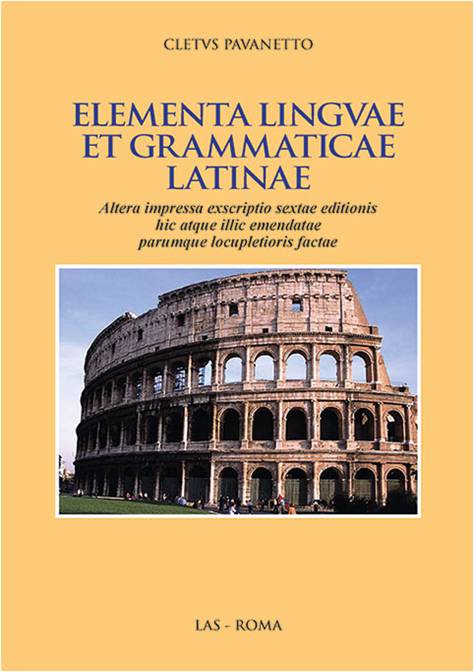
Eugene brought along his copy of Elementa Linguae et Gramaticae Latinae, a reference grammar supplemented by specifically ecclesiastical material and compiled by Cetus Pavanetto, an expert Latinist now in his 80s. Eugene had bought this on the internet but when John later searched for it –on-line it was not available on Amazon or Bookdepository and, although it can be brought from Saleson publications’ own site (https://www.editricelas.it/libreria/libri/) they apparently do not deliver outside Italy.
People in Hong Kong (including a colleague of John’s at the school where he first taught) sometimes claim that the Chinese language has no grammar but this is only true if by `grammar’ you just nean inflections of words. There are in fact quite complex rules of word order, so that wan m dou (I can’t find) is correct Cantonese but not *m wan dou or *wan dou m! The system for classical Chinese is, of course, rather different from that in the modern language.
This led on to discussions of general influences on Chinese culture and history. John referred briefly to having read somwhere that genetically there might be more similarities between northern Chinese and gweilo than between the northerners and southern Chinese. Subsequent investigation suggested that this was not reallyso, even if many southerners lack the alcohol-processing gene which gweilo and northerners generally possess. There is nevertheless a definite genetic contrast between the northern and southern southern Han. One article suggested that southerners derive their maternal DNA about half and half from northen Han and from earlier inhabitants of the south (presumably Tai and Austronesian groups) whilst on the paternal side the northern element is predominant (see Yong-Bin Zhao et al.` Ancient DNA Reveals That the Genetic Structure of the Northern Han Chinese Was Shaped Prior to 3,000 Years Ago’, https://journals.plos.org/plosone/article?id=10.1371/journal.pone.0125676). Zhao and his colleagues are mainly concerned to argue that there has not been much genetic alteration among northern Han over the last three millennia but, of course, that population was originally formed from diverse elements, one of which was probably the`Ancient North Eurasian’ population which also contributed to the DNA of early European hunter-gatherers (see Razib Khan, `The Great Genetic Map And History Of China’
https://www.gnxp.com/WordPress/2017/08/01/the-great-genetic-map-of-china/). In any case, on the `Out of Africa’ model which is accepted by almost all mainstream historians and geneticists, though sometimes still challenged on ethnocentric grounds in China and elsewhere, all the different groups ultimately go back to a single stream.
This led on to discussions of general influences on Chinese culture and history. John referred briefly to having read somwhere that genetically there might be more similarities between northern Chinese and gweilo than between the northerners and southern Chinese. Subsequent investigation suggested that this was not reallyso, even if many southerners lack the alcohol-processing gene which gweilo and northerners generally possess. There is nevertheless a definite genetic contrast between the northern and southern southern Han. One article suggested that southerners derive their maternal DNA about half and half from northen Han and from earlier inhabitants of the south (presumably Tai and Austronesian groups) whilst on the paternal side the northern element is predominant (see Yong-Bin Zhao et al.` Ancient DNA Reveals That the Genetic Structure of the Northern Han Chinese Was Shaped Prior to 3,000 Years Ago’, https://journals.plos.org/plosone/article?id=10.1371/journal.pone.0125676). Zhao and his colleagues are mainly concerned to argue that there has not been much genetic alteration among northern Han over the last three millennia but, of course, that population was originally formed from diverse elements, one of which was probably the`Ancient North Eurasian’ population which also contributed to the DNA of early European hunter-gatherers (see Razib Khan, `The Great Genetic Map And History Of China’
https://www.gnxp.com/WordPress/2017/08/01/the-great-genetic-map-of-china/). In any case, on the `Out of Africa’ model which is accepted by almost all mainstream historians and geneticists, though sometimes still challenged on ethnocentric grounds in China and elsewhere, all the different groups ultimately go back to a single stream.
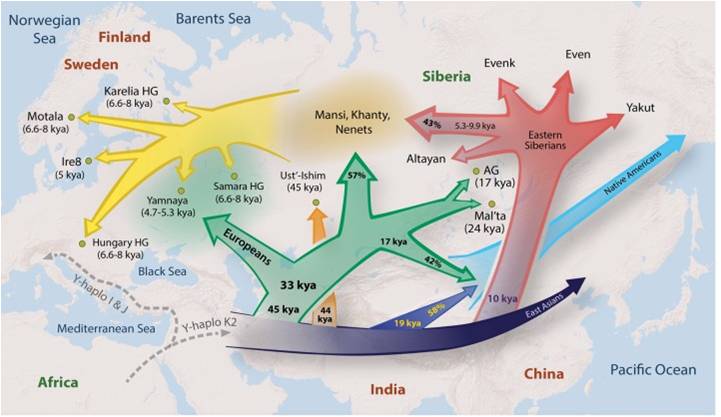
From Emily Wong et al. `Reconstructing genetic history of Siberian and Northeastern European populations’ - https://www.ncbi.nlm.nih.gov/pmc/articles/PMC5204334/
There is no doubt that, even without much recent genetic admixture, northern China was under constant political and cultural pressure from `barbarians’ to their north and west and Zhang Wei pointed out that Buddhism made its entrance into China during a chaotic period with northern tribes penetrating into the heartland. We discussed the arrival of Buddhism in our December 2018 meeting and noted then that this was mainly due to the Kushans whose empire in rthe 2nd. century A.D. stretched from northern India into the Tarim basin. Their ethnic origins are uncertain but Chinese tradition is that they originally were part of a tribal confederacy that in the 2nd century B.C. migrated west from Gansu because of pressure from the Xiongnu ((匈奴). The latter are often equated with the Huns who terrorised Europe some centuries later but this, too, is uncertain.
Whatever the reasons, there remain strong contrasts between northern and southern China and this has led to stereotyping. Wikipedia (https://en.wikipedia.org/wiki/Northern_and_southern_China) offers two illustrative quotations:
`The people of the North are strong; they must not copy the fancy diets of the Southerners, who are physically frail, live in a different environment, and have different stomachs and bowels.’
— the Kangxi Emperor, Tingxun Geyan (《庭訓格言》)
`According to my observation, Northerners are sincere and honest; Southerners are skilled and quick-minded. These are their respective virtues. Yet sincerity and honesty lead to stupidity, whereas skillfulness and quick-mindedness lead to duplicity.’
— Lu Xun, Complete works of Lu Xun (《魯迅全集》), pp. 493–495.
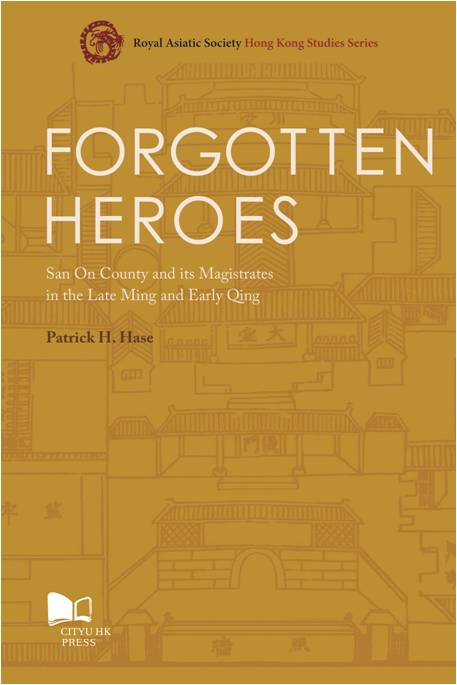
Tan mentioned that the introductory chapter of Pat’s book, Forgotten Heroes: San On County and its Magistrates in the Late Ming and Early Qing, (with partial preview at http://cityupress.edu.hk/Template/Shared/previewSample/9789629373061_preview.pdf) describes the massacre in 1197-1200 of the population of Lantau, who at that time were non-Han tribesmen forced to work as state bond-slaves in the salt fields but continually rising in revolt. Pat explains that shortly before this time the Kowloon peninsula, previously an exclusion zone to reduce smuggling from the salt fields, was opened for Han settlement. The fate of the original inhabitants of Lanatau, and the genetic composition of the southern Han today, suggest that many indigenous males across the region were physically eliminated or at least lost out in the competition with the Han incomers for female partners.
There is no doubt that, even without much recent genetic admixture, northern China was under constant political and cultural pressure from `barbarians’ to their north and west and Zhang Wei pointed out that Buddhism made its entrance into China during a chaotic period with northern tribes penetrating into the heartland. We discussed the arrival of Buddhism in our December 2018 meeting and noted then that this was mainly due to the Kushans whose empire in rthe 2nd. century A.D. stretched from northern India into the Tarim basin. Their ethnic origins are uncertain but Chinese tradition is that they originally were part of a tribal confederacy that in the 2nd century B.C. migrated west from Gansu because of pressure from the Xiongnu ((匈奴). The latter are often equated with the Huns who terrorised Europe some centuries later but this, too, is uncertain.
Whatever the reasons, there remain strong contrasts between northern and southern China and this has led to stereotyping. Wikipedia (https://en.wikipedia.org/wiki/Northern_and_southern_China) offers two illustrative quotations:
`The people of the North are strong; they must not copy the fancy diets of the Southerners, who are physically frail, live in a different environment, and have different stomachs and bowels.’
— the Kangxi Emperor, Tingxun Geyan (《庭訓格言》)
`According to my observation, Northerners are sincere and honest; Southerners are skilled and quick-minded. These are their respective virtues. Yet sincerity and honesty lead to stupidity, whereas skillfulness and quick-mindedness lead to duplicity.’
— Lu Xun, Complete works of Lu Xun (《魯迅全集》), pp. 493–495.
Tan mentioned that the introductory chapter of Pat’s book, Forgotten Heroes: San On County and its Magistrates in the Late Ming and Early Qing, (with partial preview at http://cityupress.edu.hk/Template/Shared/previewSample/9789629373061_preview.pdf) describes the massacre in 1197-1200 of the population of Lantau, who at that time were non-Han tribesmen forced to work as state bond-slaves in the salt fields but continually rising in revolt. Pat explains that shortly before this time the Kowloon peninsula, previously an exclusion zone to reduce smuggling from the salt fields, was opened for Han settlement. The fate of the original inhabitants of Lanatau, and the genetic composition of the southern Han today, suggest that many indigenous males across the region were physically eliminated or at least lost out in the competition with the Han incomers for female partners.
Don is still in Europe but shortly after the meeting posted on facebook a YouTube video outlining a theory that would put the origins of Chinese civilisation in Egypt! The video (https://www.youtube.com/watch?v=HNrFeAY8qO4) is a rather scrappy presentation of the case made by a geochemistry professor at Hefei University of Science and Technology, Sun Weidong. The arguments cited – a description of a river in Sima Qian’s account of the topography of the Xia realm which appears to match the Nile better than any Chinese river and the discovery ofsubmerged pyramids in the Sea of Japan – seem very weak. Sun Weidong’s original arguments may be stronger, but most of the more coherent account of them offered by Ricardo Lewis is behind a paywall (see https://foreignpolicy.com/2016/09/02/did-chinese-civilization-come-from-ancient-egypt-archeological-debate-at-heart-of-china-national-identity/ )
At the end of the YouTube video there is brief mention of a theory first advanced by Chinese scholars in their own language and discussed extensively in English academic writing since at least 1975, most notably in Mike Xu’s 1996 book, Origin of the Olmec Civilization (see https://en.wikipedia.org/wiki/Olmec_alternative_origin_speculations#Epigraphic_evidence)
The claim is that in around 1200, at the end of the Shang period, refugees from China landed in the New World and founded, or greatly influenced this culture which flourished in northern Mexico, Yu’s principal argument is the alleged similarity of symbols on some Olmec objects with Shang dynasty Chinese characters. However, this idea is not accepted by most specialists om Mesoamerica and Zhang He has shown that the alleged similarity in writing systems is down to chance resemblance (see his 2017 Sino-Platonic paper at http://sino-platonic.org/complete/spp273_olmec_chinese_writing.pdf)
Tanya mentioned the origin myth of the Korean people, according to which their first king, Dangun, was the grandson of the divine Hwanin, Lord of Heaven. Hwanin’s son. Hwanung, left heaven to live on earth where he established the `City of God’ on Mt. Baekdu in the north of Korea, He was approached by a tiger and a bear, both of whom wanted to become human. He instructed them to remain in a cave for a hundred days, eating only garlic and mugwort. The tiger gave up after just twenty days but the bear stuck it out and was transformed into a woman who became Hwanung’s wife and Dangun’s mother. For more details, see https://en.wikipedia.org/wiki/Dangun
At the end of the YouTube video there is brief mention of a theory first advanced by Chinese scholars in their own language and discussed extensively in English academic writing since at least 1975, most notably in Mike Xu’s 1996 book, Origin of the Olmec Civilization (see https://en.wikipedia.org/wiki/Olmec_alternative_origin_speculations#Epigraphic_evidence)
The claim is that in around 1200, at the end of the Shang period, refugees from China landed in the New World and founded, or greatly influenced this culture which flourished in northern Mexico, Yu’s principal argument is the alleged similarity of symbols on some Olmec objects with Shang dynasty Chinese characters. However, this idea is not accepted by most specialists om Mesoamerica and Zhang He has shown that the alleged similarity in writing systems is down to chance resemblance (see his 2017 Sino-Platonic paper at http://sino-platonic.org/complete/spp273_olmec_chinese_writing.pdf)
Tanya mentioned the origin myth of the Korean people, according to which their first king, Dangun, was the grandson of the divine Hwanin, Lord of Heaven. Hwanin’s son. Hwanung, left heaven to live on earth where he established the `City of God’ on Mt. Baekdu in the north of Korea, He was approached by a tiger and a bear, both of whom wanted to become human. He instructed them to remain in a cave for a hundred days, eating only garlic and mugwort. The tiger gave up after just twenty days but the bear stuck it out and was transformed into a woman who became Hwanung’s wife and Dangun’s mother. For more details, see https://en.wikipedia.org/wiki/Dangun
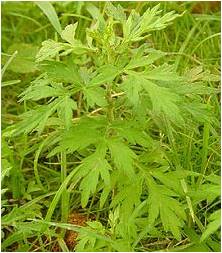
Chinese mugwort (native to much of north-east Eurasia)
This prompted a brief discussion of Hangul, the phonetic Korean writing system introduced in the mid-15th century by King Sejong in order to make it easier for ordinary people to become literate. Prior to this, writing had normally been done in classical Chinese, though there also existed some older Korean phonetic systems. There was resistance maong the educated elite to the new script and many of them maintained a preference for writing in Chinese down to the 20th century. It remains possible to incorporate some Chinese characters in Hangul text but, in contrast to the Japanese system, this is not essential. More details at https://en.wikipedia.org/wiki/Hangul
We also talked about garlic, a plant which originated in central Asia, with 80% of the world’s total supply now being produced in China (https://en.wikipedia.org/wiki/Garlic). In Rome ālium (sometimes spelled allium, was widely used by the por but was also believed to have medicinal qualities.In reading non-macroned texts, care must be taken not to confuse the word with the adjective alius, -a, -um (other)
AD ALPES
CAPUT XIX (contd,)
“Placuit iterum lītus adīre, sī forte iam ventus nāvēs solvere sineret; sed ibi omnia
It-was-decided again shore to-go-to in-case by-chance now wind ships to-set-sail allowed but there all-things
adhūc adversa erant. Tum subitō flammae et odor sulpuris aliōs in fugam vertêrunt; Plīnius
still unfavourable were then suddenly flames and smell of-sulphur others to fligh t turned Pliny
autem, quī interim in harēnā recubuerat, prīmō surrēxit, sed statim concidit, ac ibīdem
however who meanwhile on sand had-lain-down first rose but at-once collapsed and on-spot
mortuus est, spīritū cālīgine crassiōre obstrūctō.”[1]
died with-breathing by by-fumes more-concentrated obstructed
“Quid cēterīs factum est?” inquit, Cornēlia.
What to-rest happened asked Cornelia
“Illī quidem,” inquit Pūblius, “incolumēs ēvāsērunt. Quī, cum prīmum lūx diēī iterum
They indeed said Publius safely escaped They when first light of-day again
reddita est, eōdem reversī, eius corpus inlaesum invēnērunt; quīn etiam illīus habitus
restored-was to-same-place returned his body un-harmed found indeed even his posture
quiēscentī quam mortuō similior erat.”
to-one-resting than to-one-dead more-similar was
At Sextus: “Ubi interim erat ille Plīnius, quī litterās[2] scrīpsit?”
But Sextur where meanwhile was the Pliny who letter wrote
“Hic,” inquit pater, “Misēnī cum mātre relictus, prīmō aliquid temporis studiīs dat; nam
He said father at-Misenum with mother left first some of-time to-studies gives for
tum duodēvicēsimum annum agēbat.[3] Tum sequitur balneum, cēna, somnusque inquiētus et
then 18th year he-was-in then follows the-bath dinner and-sleep disturbed and
brevis; nam mōtūs terrae noctū tam validī exstitērunt, ut omnia plānē ēvertī vidērentur.
short for movements of-earth at-night so strong occurred that all-things clearly to-be-being-destroyed seemed
“Quārē Plīnius et māter, ex aedibus ēgressī, in āreā cōnsēdērunt; ubi iuvenis ultrō librum
So Pliny and mother out-of house having-gone in yard sat-down where the-youth actually book
Titī Līvī[4] poposcit, et quasi ōtiōsus legēbat. Sed etiam in āreā erat magnus et certus ruīnae
of-Titus Livius asked-for and as-if at-leisure began-reading but even in yard was great and certain of-disaster
metus, quod tēcta proxima tremōribus maximīs quatiēbantur.
fear because buildings nearest by –tremors enormous were-being-shaken
NOTES
[1] Pliny the Elder, who was probably over-weight, may have died from asthma or possibly have suffered a heart-attack
[2] The plural litterae is used for a single written message so it is unclear if the reference is to one or more messages.
[3] Literally `was doing his 18th year’.
[4] Titus Livius (Livy), who was probably born between 64 and 59 B.C. and died between 12 and 17 A.D. wrote a history of Rome Ab Urbe Conditā (`From the foundation of the City) in 142 books, out of which only 1-10 and 21-45 survive almost complete. Each book would have filled a single papyrus roll.
“Prīmā lūce dēmum oppidō excēdere vīsum est; sed vehicula, quae prōdūcī
At-first light finally from-town to-depart seemed [good] but vehicles which to-be-brought-out
iusserant, etsī in plānissimō campō, in contrāriās partēs agēbantur, ac nē lapidibus
they-had-ordered although on very-flat plain in different directions were-being-pushed and not by-stones
quidem fulta in eōdem vēstigiō quiēscēbant.
even wedged in same rut they-remained-still
“Iam nūbēs in terram dēscendērunt, omniaque tenebrīs obscūrāta sunt. Tum māter fīlium
Now clouds onto earth descended and-all-things by-darkness obscured were then mother son
vehementer hortārī coepit, ut, quō modō posset, sē servāret; sē enim ipsam,[1] annīs ac
forcefully to-urge began that by-what means he-could himself he-should-save [self] for herself with-years and
corpore gravem, bene moritūram, sī fīliō causa mortis nōn fuisset.
with-body heavy well gong-to-die if for-son cause of-death not she-had-been
“Ille autem, manum eius amplexus,[2] addere gradum[3] coēgit. Brevī autem cinis
He however hand of-her having-taken to—increase pace compelled soon however ash
cadēbat dēnsior; ac dē viā dēflectere necesse erat, nē turbā hominum perterritōrum in
was-falling more-densely and from road to-turn-aside necessary was lest by-crowd of-people terrified in
tenebrīs obtererentur. Ibi cōnsēdērunt, cum interim ululātus fēminārum, īnfantium
darkness they-be-trampled-under-foot there they-sat-down whilst meanwhile wailing of-women of-infants
vāgītūs, clāmōrēsque virōrum omnibus ex partibus audīrentur. Nam aliī parentês, aliī
crying and-shouts of-men all from directions were-heard for some their-parents others
līberōs, aliī coniugēs vōcibus quaerēbant.
their-children others their-spouses with-voices were-seeking
“Iam cadēbat cinis tam multus et gravis, ut identidem surgere eumque excutere
Now was-falling as h so much and [so-]heavy that repeatedly to-get-up and-it to-shake-off
cōgerentur; opertī aliter essent, et pondere ēlīsī. Sed postrēmō cālīgō tenuāta in
were-forced buried otherwise they-would-have-been and by-weight crushed but finally fog thinned-out into
fūmum discessit; sōl etiam effulsit, lūridus tamen, quālis esse solet, cum dēficit.
Smoke departed sun also shone-out murky however such-as to-be it-is-accustomed when it-is-in-eclipse
“Plīnius et māter, Mīsēnum reversī, noctem suspēnsam atque inquiētam ēgērunt; nam
Pliny and mother to-Misenum having-returned night anxious and restless spent for
etiam tum tremōrēs terrae cōntinuābantur. Sed inde abīre nōluērunt, priusquam dē salūte
even then tremors of-earth were-continuing but then to-leave they-were-unwilling before about safety
avunculī nūntius certus pervenīret.”
of-uncle news reliable could-arrive
NOTES
[1] sē and ipsam go together, the first being the reflexive pronoun (subject of the accusative-and-infinitive clause in indirect statement) and the second added for emphasis (`that she herself would die…’). Reinforcement of the reflexive pronoun this way was seen in a poster carried in a recent anti-Brexit demonstration in London: `BORIS FUTUE TE IPSUM. It is uncertain whether the demonstrators wanted to add emphasis, or wrongly believed that ipsum was required to make the pronoun tē reflexive
[2] amplector, -lectī, -lexus sum usually means `embrace’ but here that the son enfolded the mother’s hand in his own,
[3] Literally `to add step’
“Multīne hominēs hāc clāde periērunt?” inquit Sextus.
Did-many people in-this disaster perish asked Sextus
“Plūrimī vērō,” inquit pater; “quīn etiam, ut modo dīxī, oppida tōta obruta sunt.”[1]
Very-many indeed said father Indeed also as just I-said towns whole overwhelmed were
Dum haec nārrantur, viātōrēs celeriter Capuam versus vehēbantur, et propinquīs iam
Whilst these-things were-being-told travellers quickly Capua towards were-being-carried and near already
tenebrīs[2] in oppidum pervēnērunt.
darkness in town they-arrived
CAPUT XX
Cum posterō diē iterum profectī essent, Cornēlius: “Haud procul abest locus,” inquit, “ubi
When next day again set-off they-had Cornelus not far is-away place said where
Hannibal sollertiā magnā imperātōrem nostrum ēlūsit. Sed dē hīs rébus tū dīc, Pūblī; nam
Hannibal with-skill great general our escaped-from but about these things you say Publius for
exīstimō tē apud Cornēlium Nepōtem[3] haec nūper lēgisse.”
I-reckon you in Cornelius Nepos them recently to-have-read
Tum Pūblius: “Rōmānīs Cannēnsī pugnā dēvictīs,[4] Hannibal urbēs complūrēs
Then Publius with-Romans of-Cannae in-battle defeated Hannibal cities several
occupāvit et postrēmō nūllō resistente Rōmam profectus, in propinquīs urbī montibus
seized and finally with-nobody resisting to-Rome having-set-off in near to-city hills
cōnsēdit. Cumque aliquot diēs ibi castra habuisset et Capuam[5] reverterētur, in agrō
took-up-position and-when some days there camp he-had-kept and to-Capua was-returning in Field
Falernō[6] eī occurrit Q. Fabius Maximus, dictātor Rōmānus, dē quō dīcit poēta quīdam:
the- Falernian him encountered Quintus Fabius Maximus dictator Roman about whom says poet certain
NOTES
[1] Pompeii’s population in 79 A.D. is estimated at between 12,000 and 15,000 (https://en.wikipedia.org/wiki/Pompeii ), whilst the other settlements in the affected area will have had fewer inhabitants. The rural population on the fertile slopes of the mountain will have been considerable and Strabo (se note 96 above) writes that the whole area around the Bay of Naples was so densely settrled that it gave `the appearance of a single city.’ What proportion of the inhabitants managed to escape before the final, most destructive phase of the eruption is unknown,
[2] propinquīs..tenebrīs: ablative absolute (`with darkness near’)
[3] Cornelius Nepos (c.110 – 25 B.C.), a friend of Cicero and of the poet Catullus, was a biographer and historian, whose only surviving work is Excellentium Imperātōrum Vītae (`Lives of Outstanding Commanders’), also known as Liber de Excellentibus Ducibus Exterārum Gentium (`A Book on Outstanding leaders of foreign Nations’) and originally one out of sixteen books comprising his Dē Virīs Illustribus (`On Famous Men’). The work includes lives of Hannibal and of his father Hamilcar. See https://en.wikipedia.org/wiki/Cornelius_Nepos
[4] The incident Publius describes actually took place in 217 B.C, before the Battle of Cannae in 216 and in the aftermath of an earlier Roman defeat at Trasimene in northern Italy..
[5] The city of Capua defected to Hannibal after Cannae but in 217 was still allied to Rome
[6] The Falernian Field was a fertile plain in northern Campania on the right bank of the Volturno River. The Romans controlled all the bridges and passes out of the area, leaving Hannibal with the apparent choice of running out of supplies or fighting an enemy in a stronger position. According to Plutarch, Hannibal entered the trap because his guides misunderstood where he wanted to go.
“ ‘Ūnus homō nōbīs cūnctandō restituit rem.'[1]
One man for-us ny-delaying restored the-situation
“Hannibal locī angustiīs clausus, Fabium tamen callīdissīmē ēlūsit. Nam noctū bovês,
Hannibal of-place by-narrowness shut-in Fabiu s nevertheless very-cleverly eluded for at-night oxen
rāmīs in cornibus dēligātīs atque incēnsīs, omnēs in partēs vagātum[2] ēmīsit.
with-branches on horns tied and set-alight all in directions to-wander he-sent-out
“Quī procul vīsī tantum terrōrem exercituī Rōmānōrum iniēcērunt, ut extrā vāllum
These in-distance seen so-much terror in-army of-Romans instill ed that outside rampart
ēgredī nēmō audēret; omnēs enim exīstimābant īnsidiās ab hostibus comparārī. Interim
to-go nobody dared all for reckoned a-trap by enemy to-be-being-set meanwhile
Hannibal nūllō prohibente cōpiās suās ê locō perīculōsō ēdūcēbat.”[3]
Hannibal with-nobody preventing troops his from place dangerous was-leading-out
“Nōnne Hannibal umquam proeliō superātus est?” inquit Sextus. “Mihi vidētur ille
Didn’t Hannibal ever in-battle defeated get asked Sextus to-me seems he
semper aut sollertiā aut virtūte suā superāsse.''[4]
Always either by-cleverness or courage his-own to-have-won
“Cum hoc idem bellum iam vīgintī ferē annōs gestum esset,''[5] inquit Cornēlius,
When this same war already twenty almost year s waged had been said Cornelius
“Hannibal, in Āfricam redīre coāctus, Zamae tantā clāde victu s est, ut Carthāginiēnsēs sē
Hannibal to Africa to-return compelled at-Zama in-so-great disaster defeated was that Carthaginians themselves
Rōmānīs dēdere cōgerentur.''
to-Romans to-surrender were-compelled
“Quid postrēmō Hannibale ipsō factum est?[6]” inquit Cornēlia.
What finally with-Hannibal himself done was asked Cornelia
“Fortasse,'' inquit pater, “iam audīvistis eum post clādem acceptam diū cōnsiliō et operā
Perhaps said father already you-have-heard him after disaster suffered long-time with-advice and work
NOTES
[1] `One man restored the situation for us by delaying’. A line in praise of Fabius from the Annales, a verse history of Rome down to 184 B.C. by Quintus Ennius (c.239 – c. 169 B.C.), the first Latin poet to write in hexameters. It is re-used by Virgil in the Aeneid (VI: 846) with quī substituted for homō.
[2] The supine of vagor (vagārī, vagātum), used with a verb of motion to express purpose.
[3] The actual events were rather more complicated. Fabius had stationed 4000 of his men guarding the main pass itself whilst he remained in a separate camp with the main army on higher ground. Hannibal sent the oxen up to a ridge between his own camp and the pass and the Roman soldiers stationed at the pass, on seeing the lights in the darkness, moved uphill themselves, either through panic (Livy’s account in Book 22, chapter 17) or, according to Polybius (3.94), intending to engage the enemy. They did in fact come into contact with Carthaginian soldiers accompanying the oxen but, after an initial skirmish, both sides kept apart. In the meantime Hannibal moved with the bulk of his troops and his booty through the now unguarded pass. At dawn he sent reinforcements to the ridge, and the Romans who had moved from the pass were defeated. Fabius, unsure in the darkness of what was happening and fearing a trap of some kind, had remained throughout in camp.
[4] superāsse: contaction of perfect infinitive superāvisse
[5] The Second Punic War began in 218, the Battle of Zama was in 202 and peace agreed in 201.
[6] Note the distinction between quid Hannibale factum est? (`What was done with Hannibal) and quid ab Hannibale factum est? (`What was done by Hannibal?’)
patriam suam adiūvisse, tum autem clam domō abīre coāctum esse, quod suspicārētur
country his to-have-helped then however secretly from-home to-depart forced to-have-been because he-suspected
sē brevī Rōmam obsidem arcessītum īrī.
himself soon to Rom e as-hostage summoned to-going-to-be
“Prīmō ad rēgem Antiochum[1] dēvertit, cui persuāsit ut bellum Rōmānīs īnferret;
First to king Antiochus he-fled whom he-peruaded that war on-Romans he-should-make
deinde, Antiochō vīctō, Crētam vectus est; unde postrēmō in Pontum ad rēgem Prūsiam sē
then with-Antiochus defeated to-Crete he-sailed from-there finally into Pontus to king Prusias himself
contulit.[2]
he-took
“Ibi cum cognōvisset Rōmānōs mīsisse lēgātōs, quī ā Prūsiā postulārent , ut sibi in
There when he-had-learned the-Romans to-have-sent envoys who from Prusias were-to-demand that to-them into
custōdiam ipse trāderētur, suā sponte venēnum sūmpsit, quod semper sēcum habēre
custody he-himself be-handed-over by-own will poison he-took which always with-him to-have
solēbat.”
he-was-accustomed
“Cum mentiō venēnī facta sit,” inquit Pūblius, “mihi recordārī videor ōlim aliquem
Since mention of-poison made has-been said Publiu s to-myself to-recal l I-seem once someone
venēnō rēgem Pyrrhum[3] interficere cōnātum esse. Sed certō sciō nostrōs numquam tantō
by-poison king Pyrrhus to-kill tried to-have but for-certain I-know our-people never by-so-great
scelere sē contāmināvisse.”
crime themselves to-have-disgraced
“Rēctē dīcis,” inquit Cornēlius; “nam Rōmānīs nōn est mōs venēnō bella gerere. Sed
Rightly you-say said Cornelius for of-Romans not is custom with-poison wars to-wage but
quīdam Tīmocharēs, rēgis ipsīus familiāris, ad C. Fābricium cōnsulem vēnit ac pollicitus est
a-certain Timochares of-king himself close-friend to Gaius Fabricius consul came and promised
sē rēgem, sī praemium satis magnum prōpōnerētur, venēnō brevī sublātūrum; quod facile
himself king if reward enough big was-offered by-poison soon to-do-away-with which easy
factū[4] fore dīxit, quoniam fīlius suus in convīviō pōcula rēgī ministrāret.
to-do to-be-going-to-be since son his at table cups to-king served
NOTES
[1] Antiochus III ruled the Seleucid Empire, one of the Hellenistic successor states to Alexander the Great ‘s short-lived empire, from 222-187 B.C. Hannibal took refuge at his court in 195 B.C. after his political enemies in Carthage had told the Romans (perhaps untruthfully) that he was already negotiating with the king, who was in dispute with Rome. Antiochus invaded mainland Greece in 192 but, following Hannibal’s defeat in a seabattle in 190, he was himself defeated on land at Magnesia in Lydia in 189 and compelled to accept the loss of Thrace and western Asia Minor,
[2] Prusias I (c.243 – 182 B.C.)was actually king of Bithynia, a state to the west of Pontus on the south shotre of the Black Sea but in the 1st century B.C., afer the final defeat of Rome’s great enemy, Mithridates of Pontus, the two kingdoms were merged into a single Roman province of Bithynia et Pontus. Hannibal’s suicide to avoid Prusias’s handing him over to the Romans was in 183 B.C.
[3] For Phyrrhus’s campaigns against Rome in southern Italy, see chapter 18 above.
[4] Ablative of the supine, which is often combined with adjectives inn this way (cf mīrum dictū, `strange to say’)
“Hāc rē Rōmam ad senātum dēlātā, lēgātī statim missī sunt, quī Pyrrhum certiōrem
With-this-thing to-Rome to senate reported envoys at-once sent were who Pyrrhus informed
facerent quantō in perīculō versārētur, eumque hortārentur ut īnsidiās cavēret domesticās. Sīc
could-make how-much in danger he-stood and-him could-urge that plots he-should beware of domestic thus
cōnservātus, rēx grātiam maximam populō Rōmānō habuisse trāditur, omnēsque captīvōs,
saved king gratitude greatest to-people Roman to-have-had is-reported and-all prioners
quōs tum habēret, sine mercēde ultrō reddidisse.”
whom then he-had without ransom of-own-accord to-have-returned
“Ut ad Hannibalem redeam,” inquit Pūblius, “nōnne ille aliquid facētē dīxit dē cōpiīs
That to Hannibal I-may-return said Publius surely he something witty said about forces
Antiochī, cum ad illum rēgem sē contulisset, postquam domō fugere coāctus est?”
of-Antiochus when to that king himself he-had-brought after from-home to-flee forced he-was
“Maximē vērō,'' inquit pater. “Rēgēs barbarī inānī speciē mīlitum et fulgōre armōrum
Very true said father kings barbarian in-empty appearance of-soldiers and resplendence of-armour
vehementer dēlectārī solent; täliāque saepe plūrīs faciunt quam rōbur et fortitūdinem.
greatly to-delight are-accustomed and-such-things often more they-value than strength and courage
“Quārē, ut Hannibal ad Antiochum pervênit, rēx glōriāns, cum cōpiās suās argentō
Therefore when Hannibal to Antiochus reached king boasting when troops his in-silver
aurōque splendidās īnstrūxisset, Hannibālī: `Nōnne putās,' inquit, `satis esse Rōmānīs
and-gold shining had-drawn-up to-Hannibal Don’t you-think he-said enough to-be for-the-Romans
haec omnia?' At ille: `Satīs esse crēdō Rōmānīs haec omnia, etiamsī avārissimī sint.’”
These all but he [replied] enough to-be I-believe for-Romans these all even-if very-greedy they-are
“Dignē respōnsum!” inquit Sextus. “Etsī mihi mīrandum vidētur Hannibalem
Fittingly answered said Sextus even-though to-me surprising it-seems Hannibal
voluisse tam apertē dēspicere cōpiās rēgis, quem ad bellum in Rōmānōs excitāre cuperet.”
To-have-wanted so openly to-denigrate forces of-king whom to war against Romans to-arouse he-wanted
Quae cum dicta essent, paulisper omnēs tacentēs sedēbant, dum equī raedās celeriter viā
Which when said had-been for-short-time all silent kept-sitting whilst horses wagons quickly on-way
strātā dūcunt. Tum Cornēlia: “Certīs intervāllīs,” inquit, “per viam lapidēs collocātōs iam
paved pull then Cornelia at-regular intervals said along road stones placed now
diū animadvertō. Cūr ita positī sunt, pater?”
for-long-time I’ve-been-noticing why thus placed they-have-been father
At ille: “Haec sunt mīliāria,” inqu it, “in quibus īnscrīptum est quam longē ā Rōmā
Then he these are milestones said on which inscribed has-been how far from Rome
distent. Ibi in forō est aureum mīliārium, quod quasi centrum imperiī Rōmānī habētur.”
they-are-distant there in forum is golden milestone which as-if centre of-empire Roman is-considered
“Sōlāne in viā Appiā,”[1] inquit, Sextus, “mīliāria posita sunt?”
Alone on Way Appian said Sextus milestones placed have-been
“Omnibus in viīs maiōribus Ītaliae inveniuntur,” inquit pater. Quō dictō, omnēs rūrsus
All on roads major of-Italy they-are-found said father with-which said all again
conticuērunt
fell-silent
NOTE
[1] The Appian Way, whose construction was begun in 312 B.. by Appius Claudius Caecus was the most celebrated of Roman roads,. It is the subject of a short documentary on YouTube (https://www.youtube.com/watch?time_continue=40&v=LkIMjtfAj1s) and there is an illustrated account of a hike along the six miles nearest to Rome at https://followinghadrian.com/2013/06/21/wandering-along-the-appian-way-images-from-milestone-i-to-vi/
This prompted a brief discussion of Hangul, the phonetic Korean writing system introduced in the mid-15th century by King Sejong in order to make it easier for ordinary people to become literate. Prior to this, writing had normally been done in classical Chinese, though there also existed some older Korean phonetic systems. There was resistance maong the educated elite to the new script and many of them maintained a preference for writing in Chinese down to the 20th century. It remains possible to incorporate some Chinese characters in Hangul text but, in contrast to the Japanese system, this is not essential. More details at https://en.wikipedia.org/wiki/Hangul
We also talked about garlic, a plant which originated in central Asia, with 80% of the world’s total supply now being produced in China (https://en.wikipedia.org/wiki/Garlic). In Rome ālium (sometimes spelled allium, was widely used by the por but was also believed to have medicinal qualities.In reading non-macroned texts, care must be taken not to confuse the word with the adjective alius, -a, -um (other)
AD ALPES
CAPUT XIX (contd,)
“Placuit iterum lītus adīre, sī forte iam ventus nāvēs solvere sineret; sed ibi omnia
It-was-decided again shore to-go-to in-case by-chance now wind ships to-set-sail allowed but there all-things
adhūc adversa erant. Tum subitō flammae et odor sulpuris aliōs in fugam vertêrunt; Plīnius
still unfavourable were then suddenly flames and smell of-sulphur others to fligh t turned Pliny
autem, quī interim in harēnā recubuerat, prīmō surrēxit, sed statim concidit, ac ibīdem
however who meanwhile on sand had-lain-down first rose but at-once collapsed and on-spot
mortuus est, spīritū cālīgine crassiōre obstrūctō.”[1]
died with-breathing by by-fumes more-concentrated obstructed
“Quid cēterīs factum est?” inquit, Cornēlia.
What to-rest happened asked Cornelia
“Illī quidem,” inquit Pūblius, “incolumēs ēvāsērunt. Quī, cum prīmum lūx diēī iterum
They indeed said Publius safely escaped They when first light of-day again
reddita est, eōdem reversī, eius corpus inlaesum invēnērunt; quīn etiam illīus habitus
restored-was to-same-place returned his body un-harmed found indeed even his posture
quiēscentī quam mortuō similior erat.”
to-one-resting than to-one-dead more-similar was
At Sextus: “Ubi interim erat ille Plīnius, quī litterās[2] scrīpsit?”
But Sextur where meanwhile was the Pliny who letter wrote
“Hic,” inquit pater, “Misēnī cum mātre relictus, prīmō aliquid temporis studiīs dat; nam
He said father at-Misenum with mother left first some of-time to-studies gives for
tum duodēvicēsimum annum agēbat.[3] Tum sequitur balneum, cēna, somnusque inquiētus et
then 18th year he-was-in then follows the-bath dinner and-sleep disturbed and
brevis; nam mōtūs terrae noctū tam validī exstitērunt, ut omnia plānē ēvertī vidērentur.
short for movements of-earth at-night so strong occurred that all-things clearly to-be-being-destroyed seemed
“Quārē Plīnius et māter, ex aedibus ēgressī, in āreā cōnsēdērunt; ubi iuvenis ultrō librum
So Pliny and mother out-of house having-gone in yard sat-down where the-youth actually book
Titī Līvī[4] poposcit, et quasi ōtiōsus legēbat. Sed etiam in āreā erat magnus et certus ruīnae
of-Titus Livius asked-for and as-if at-leisure began-reading but even in yard was great and certain of-disaster
metus, quod tēcta proxima tremōribus maximīs quatiēbantur.
fear because buildings nearest by –tremors enormous were-being-shaken
NOTES
[1] Pliny the Elder, who was probably over-weight, may have died from asthma or possibly have suffered a heart-attack
[2] The plural litterae is used for a single written message so it is unclear if the reference is to one or more messages.
[3] Literally `was doing his 18th year’.
[4] Titus Livius (Livy), who was probably born between 64 and 59 B.C. and died between 12 and 17 A.D. wrote a history of Rome Ab Urbe Conditā (`From the foundation of the City) in 142 books, out of which only 1-10 and 21-45 survive almost complete. Each book would have filled a single papyrus roll.
“Prīmā lūce dēmum oppidō excēdere vīsum est; sed vehicula, quae prōdūcī
At-first light finally from-town to-depart seemed [good] but vehicles which to-be-brought-out
iusserant, etsī in plānissimō campō, in contrāriās partēs agēbantur, ac nē lapidibus
they-had-ordered although on very-flat plain in different directions were-being-pushed and not by-stones
quidem fulta in eōdem vēstigiō quiēscēbant.
even wedged in same rut they-remained-still
“Iam nūbēs in terram dēscendērunt, omniaque tenebrīs obscūrāta sunt. Tum māter fīlium
Now clouds onto earth descended and-all-things by-darkness obscured were then mother son
vehementer hortārī coepit, ut, quō modō posset, sē servāret; sē enim ipsam,[1] annīs ac
forcefully to-urge began that by-what means he-could himself he-should-save [self] for herself with-years and
corpore gravem, bene moritūram, sī fīliō causa mortis nōn fuisset.
with-body heavy well gong-to-die if for-son cause of-death not she-had-been
“Ille autem, manum eius amplexus,[2] addere gradum[3] coēgit. Brevī autem cinis
He however hand of-her having-taken to—increase pace compelled soon however ash
cadēbat dēnsior; ac dē viā dēflectere necesse erat, nē turbā hominum perterritōrum in
was-falling more-densely and from road to-turn-aside necessary was lest by-crowd of-people terrified in
tenebrīs obtererentur. Ibi cōnsēdērunt, cum interim ululātus fēminārum, īnfantium
darkness they-be-trampled-under-foot there they-sat-down whilst meanwhile wailing of-women of-infants
vāgītūs, clāmōrēsque virōrum omnibus ex partibus audīrentur. Nam aliī parentês, aliī
crying and-shouts of-men all from directions were-heard for some their-parents others
līberōs, aliī coniugēs vōcibus quaerēbant.
their-children others their-spouses with-voices were-seeking
“Iam cadēbat cinis tam multus et gravis, ut identidem surgere eumque excutere
Now was-falling as h so much and [so-]heavy that repeatedly to-get-up and-it to-shake-off
cōgerentur; opertī aliter essent, et pondere ēlīsī. Sed postrēmō cālīgō tenuāta in
were-forced buried otherwise they-would-have-been and by-weight crushed but finally fog thinned-out into
fūmum discessit; sōl etiam effulsit, lūridus tamen, quālis esse solet, cum dēficit.
Smoke departed sun also shone-out murky however such-as to-be it-is-accustomed when it-is-in-eclipse
“Plīnius et māter, Mīsēnum reversī, noctem suspēnsam atque inquiētam ēgērunt; nam
Pliny and mother to-Misenum having-returned night anxious and restless spent for
etiam tum tremōrēs terrae cōntinuābantur. Sed inde abīre nōluērunt, priusquam dē salūte
even then tremors of-earth were-continuing but then to-leave they-were-unwilling before about safety
avunculī nūntius certus pervenīret.”
of-uncle news reliable could-arrive
NOTES
[1] sē and ipsam go together, the first being the reflexive pronoun (subject of the accusative-and-infinitive clause in indirect statement) and the second added for emphasis (`that she herself would die…’). Reinforcement of the reflexive pronoun this way was seen in a poster carried in a recent anti-Brexit demonstration in London: `BORIS FUTUE TE IPSUM. It is uncertain whether the demonstrators wanted to add emphasis, or wrongly believed that ipsum was required to make the pronoun tē reflexive
[2] amplector, -lectī, -lexus sum usually means `embrace’ but here that the son enfolded the mother’s hand in his own,
[3] Literally `to add step’
“Multīne hominēs hāc clāde periērunt?” inquit Sextus.
Did-many people in-this disaster perish asked Sextus
“Plūrimī vērō,” inquit pater; “quīn etiam, ut modo dīxī, oppida tōta obruta sunt.”[1]
Very-many indeed said father Indeed also as just I-said towns whole overwhelmed were
Dum haec nārrantur, viātōrēs celeriter Capuam versus vehēbantur, et propinquīs iam
Whilst these-things were-being-told travellers quickly Capua towards were-being-carried and near already
tenebrīs[2] in oppidum pervēnērunt.
darkness in town they-arrived
CAPUT XX
Cum posterō diē iterum profectī essent, Cornēlius: “Haud procul abest locus,” inquit, “ubi
When next day again set-off they-had Cornelus not far is-away place said where
Hannibal sollertiā magnā imperātōrem nostrum ēlūsit. Sed dē hīs rébus tū dīc, Pūblī; nam
Hannibal with-skill great general our escaped-from but about these things you say Publius for
exīstimō tē apud Cornēlium Nepōtem[3] haec nūper lēgisse.”
I-reckon you in Cornelius Nepos them recently to-have-read
Tum Pūblius: “Rōmānīs Cannēnsī pugnā dēvictīs,[4] Hannibal urbēs complūrēs
Then Publius with-Romans of-Cannae in-battle defeated Hannibal cities several
occupāvit et postrēmō nūllō resistente Rōmam profectus, in propinquīs urbī montibus
seized and finally with-nobody resisting to-Rome having-set-off in near to-city hills
cōnsēdit. Cumque aliquot diēs ibi castra habuisset et Capuam[5] reverterētur, in agrō
took-up-position and-when some days there camp he-had-kept and to-Capua was-returning in Field
Falernō[6] eī occurrit Q. Fabius Maximus, dictātor Rōmānus, dē quō dīcit poēta quīdam:
the- Falernian him encountered Quintus Fabius Maximus dictator Roman about whom says poet certain
NOTES
[1] Pompeii’s population in 79 A.D. is estimated at between 12,000 and 15,000 (https://en.wikipedia.org/wiki/Pompeii ), whilst the other settlements in the affected area will have had fewer inhabitants. The rural population on the fertile slopes of the mountain will have been considerable and Strabo (se note 96 above) writes that the whole area around the Bay of Naples was so densely settrled that it gave `the appearance of a single city.’ What proportion of the inhabitants managed to escape before the final, most destructive phase of the eruption is unknown,
[2] propinquīs..tenebrīs: ablative absolute (`with darkness near’)
[3] Cornelius Nepos (c.110 – 25 B.C.), a friend of Cicero and of the poet Catullus, was a biographer and historian, whose only surviving work is Excellentium Imperātōrum Vītae (`Lives of Outstanding Commanders’), also known as Liber de Excellentibus Ducibus Exterārum Gentium (`A Book on Outstanding leaders of foreign Nations’) and originally one out of sixteen books comprising his Dē Virīs Illustribus (`On Famous Men’). The work includes lives of Hannibal and of his father Hamilcar. See https://en.wikipedia.org/wiki/Cornelius_Nepos
[4] The incident Publius describes actually took place in 217 B.C, before the Battle of Cannae in 216 and in the aftermath of an earlier Roman defeat at Trasimene in northern Italy..
[5] The city of Capua defected to Hannibal after Cannae but in 217 was still allied to Rome
[6] The Falernian Field was a fertile plain in northern Campania on the right bank of the Volturno River. The Romans controlled all the bridges and passes out of the area, leaving Hannibal with the apparent choice of running out of supplies or fighting an enemy in a stronger position. According to Plutarch, Hannibal entered the trap because his guides misunderstood where he wanted to go.
“ ‘Ūnus homō nōbīs cūnctandō restituit rem.'[1]
One man for-us ny-delaying restored the-situation
“Hannibal locī angustiīs clausus, Fabium tamen callīdissīmē ēlūsit. Nam noctū bovês,
Hannibal of-place by-narrowness shut-in Fabiu s nevertheless very-cleverly eluded for at-night oxen
rāmīs in cornibus dēligātīs atque incēnsīs, omnēs in partēs vagātum[2] ēmīsit.
with-branches on horns tied and set-alight all in directions to-wander he-sent-out
“Quī procul vīsī tantum terrōrem exercituī Rōmānōrum iniēcērunt, ut extrā vāllum
These in-distance seen so-much terror in-army of-Romans instill ed that outside rampart
ēgredī nēmō audēret; omnēs enim exīstimābant īnsidiās ab hostibus comparārī. Interim
to-go nobody dared all for reckoned a-trap by enemy to-be-being-set meanwhile
Hannibal nūllō prohibente cōpiās suās ê locō perīculōsō ēdūcēbat.”[3]
Hannibal with-nobody preventing troops his from place dangerous was-leading-out
“Nōnne Hannibal umquam proeliō superātus est?” inquit Sextus. “Mihi vidētur ille
Didn’t Hannibal ever in-battle defeated get asked Sextus to-me seems he
semper aut sollertiā aut virtūte suā superāsse.''[4]
Always either by-cleverness or courage his-own to-have-won
“Cum hoc idem bellum iam vīgintī ferē annōs gestum esset,''[5] inquit Cornēlius,
When this same war already twenty almost year s waged had been said Cornelius
“Hannibal, in Āfricam redīre coāctus, Zamae tantā clāde victu s est, ut Carthāginiēnsēs sē
Hannibal to Africa to-return compelled at-Zama in-so-great disaster defeated was that Carthaginians themselves
Rōmānīs dēdere cōgerentur.''
to-Romans to-surrender were-compelled
“Quid postrēmō Hannibale ipsō factum est?[6]” inquit Cornēlia.
What finally with-Hannibal himself done was asked Cornelia
“Fortasse,'' inquit pater, “iam audīvistis eum post clādem acceptam diū cōnsiliō et operā
Perhaps said father already you-have-heard him after disaster suffered long-time with-advice and work
NOTES
[1] `One man restored the situation for us by delaying’. A line in praise of Fabius from the Annales, a verse history of Rome down to 184 B.C. by Quintus Ennius (c.239 – c. 169 B.C.), the first Latin poet to write in hexameters. It is re-used by Virgil in the Aeneid (VI: 846) with quī substituted for homō.
[2] The supine of vagor (vagārī, vagātum), used with a verb of motion to express purpose.
[3] The actual events were rather more complicated. Fabius had stationed 4000 of his men guarding the main pass itself whilst he remained in a separate camp with the main army on higher ground. Hannibal sent the oxen up to a ridge between his own camp and the pass and the Roman soldiers stationed at the pass, on seeing the lights in the darkness, moved uphill themselves, either through panic (Livy’s account in Book 22, chapter 17) or, according to Polybius (3.94), intending to engage the enemy. They did in fact come into contact with Carthaginian soldiers accompanying the oxen but, after an initial skirmish, both sides kept apart. In the meantime Hannibal moved with the bulk of his troops and his booty through the now unguarded pass. At dawn he sent reinforcements to the ridge, and the Romans who had moved from the pass were defeated. Fabius, unsure in the darkness of what was happening and fearing a trap of some kind, had remained throughout in camp.
[4] superāsse: contaction of perfect infinitive superāvisse
[5] The Second Punic War began in 218, the Battle of Zama was in 202 and peace agreed in 201.
[6] Note the distinction between quid Hannibale factum est? (`What was done with Hannibal) and quid ab Hannibale factum est? (`What was done by Hannibal?’)
patriam suam adiūvisse, tum autem clam domō abīre coāctum esse, quod suspicārētur
country his to-have-helped then however secretly from-home to-depart forced to-have-been because he-suspected
sē brevī Rōmam obsidem arcessītum īrī.
himself soon to Rom e as-hostage summoned to-going-to-be
“Prīmō ad rēgem Antiochum[1] dēvertit, cui persuāsit ut bellum Rōmānīs īnferret;
First to king Antiochus he-fled whom he-peruaded that war on-Romans he-should-make
deinde, Antiochō vīctō, Crētam vectus est; unde postrēmō in Pontum ad rēgem Prūsiam sē
then with-Antiochus defeated to-Crete he-sailed from-there finally into Pontus to king Prusias himself
contulit.[2]
he-took
“Ibi cum cognōvisset Rōmānōs mīsisse lēgātōs, quī ā Prūsiā postulārent , ut sibi in
There when he-had-learned the-Romans to-have-sent envoys who from Prusias were-to-demand that to-them into
custōdiam ipse trāderētur, suā sponte venēnum sūmpsit, quod semper sēcum habēre
custody he-himself be-handed-over by-own will poison he-took which always with-him to-have
solēbat.”
he-was-accustomed
“Cum mentiō venēnī facta sit,” inquit Pūblius, “mihi recordārī videor ōlim aliquem
Since mention of-poison made has-been said Publiu s to-myself to-recal l I-seem once someone
venēnō rēgem Pyrrhum[3] interficere cōnātum esse. Sed certō sciō nostrōs numquam tantō
by-poison king Pyrrhus to-kill tried to-have but for-certain I-know our-people never by-so-great
scelere sē contāmināvisse.”
crime themselves to-have-disgraced
“Rēctē dīcis,” inquit Cornēlius; “nam Rōmānīs nōn est mōs venēnō bella gerere. Sed
Rightly you-say said Cornelius for of-Romans not is custom with-poison wars to-wage but
quīdam Tīmocharēs, rēgis ipsīus familiāris, ad C. Fābricium cōnsulem vēnit ac pollicitus est
a-certain Timochares of-king himself close-friend to Gaius Fabricius consul came and promised
sē rēgem, sī praemium satis magnum prōpōnerētur, venēnō brevī sublātūrum; quod facile
himself king if reward enough big was-offered by-poison soon to-do-away-with which easy
factū[4] fore dīxit, quoniam fīlius suus in convīviō pōcula rēgī ministrāret.
to-do to-be-going-to-be since son his at table cups to-king served
NOTES
[1] Antiochus III ruled the Seleucid Empire, one of the Hellenistic successor states to Alexander the Great ‘s short-lived empire, from 222-187 B.C. Hannibal took refuge at his court in 195 B.C. after his political enemies in Carthage had told the Romans (perhaps untruthfully) that he was already negotiating with the king, who was in dispute with Rome. Antiochus invaded mainland Greece in 192 but, following Hannibal’s defeat in a seabattle in 190, he was himself defeated on land at Magnesia in Lydia in 189 and compelled to accept the loss of Thrace and western Asia Minor,
[2] Prusias I (c.243 – 182 B.C.)was actually king of Bithynia, a state to the west of Pontus on the south shotre of the Black Sea but in the 1st century B.C., afer the final defeat of Rome’s great enemy, Mithridates of Pontus, the two kingdoms were merged into a single Roman province of Bithynia et Pontus. Hannibal’s suicide to avoid Prusias’s handing him over to the Romans was in 183 B.C.
[3] For Phyrrhus’s campaigns against Rome in southern Italy, see chapter 18 above.
[4] Ablative of the supine, which is often combined with adjectives inn this way (cf mīrum dictū, `strange to say’)
“Hāc rē Rōmam ad senātum dēlātā, lēgātī statim missī sunt, quī Pyrrhum certiōrem
With-this-thing to-Rome to senate reported envoys at-once sent were who Pyrrhus informed
facerent quantō in perīculō versārētur, eumque hortārentur ut īnsidiās cavēret domesticās. Sīc
could-make how-much in danger he-stood and-him could-urge that plots he-should beware of domestic thus
cōnservātus, rēx grātiam maximam populō Rōmānō habuisse trāditur, omnēsque captīvōs,
saved king gratitude greatest to-people Roman to-have-had is-reported and-all prioners
quōs tum habēret, sine mercēde ultrō reddidisse.”
whom then he-had without ransom of-own-accord to-have-returned
“Ut ad Hannibalem redeam,” inquit Pūblius, “nōnne ille aliquid facētē dīxit dē cōpiīs
That to Hannibal I-may-return said Publius surely he something witty said about forces
Antiochī, cum ad illum rēgem sē contulisset, postquam domō fugere coāctus est?”
of-Antiochus when to that king himself he-had-brought after from-home to-flee forced he-was
“Maximē vērō,'' inquit pater. “Rēgēs barbarī inānī speciē mīlitum et fulgōre armōrum
Very true said father kings barbarian in-empty appearance of-soldiers and resplendence of-armour
vehementer dēlectārī solent; täliāque saepe plūrīs faciunt quam rōbur et fortitūdinem.
greatly to-delight are-accustomed and-such-things often more they-value than strength and courage
“Quārē, ut Hannibal ad Antiochum pervênit, rēx glōriāns, cum cōpiās suās argentō
Therefore when Hannibal to Antiochus reached king boasting when troops his in-silver
aurōque splendidās īnstrūxisset, Hannibālī: `Nōnne putās,' inquit, `satis esse Rōmānīs
and-gold shining had-drawn-up to-Hannibal Don’t you-think he-said enough to-be for-the-Romans
haec omnia?' At ille: `Satīs esse crēdō Rōmānīs haec omnia, etiamsī avārissimī sint.’”
These all but he [replied] enough to-be I-believe for-Romans these all even-if very-greedy they-are
“Dignē respōnsum!” inquit Sextus. “Etsī mihi mīrandum vidētur Hannibalem
Fittingly answered said Sextus even-though to-me surprising it-seems Hannibal
voluisse tam apertē dēspicere cōpiās rēgis, quem ad bellum in Rōmānōs excitāre cuperet.”
To-have-wanted so openly to-denigrate forces of-king whom to war against Romans to-arouse he-wanted
Quae cum dicta essent, paulisper omnēs tacentēs sedēbant, dum equī raedās celeriter viā
Which when said had-been for-short-time all silent kept-sitting whilst horses wagons quickly on-way
strātā dūcunt. Tum Cornēlia: “Certīs intervāllīs,” inquit, “per viam lapidēs collocātōs iam
paved pull then Cornelia at-regular intervals said along road stones placed now
diū animadvertō. Cūr ita positī sunt, pater?”
for-long-time I’ve-been-noticing why thus placed they-have-been father
At ille: “Haec sunt mīliāria,” inqu it, “in quibus īnscrīptum est quam longē ā Rōmā
Then he these are milestones said on which inscribed has-been how far from Rome
distent. Ibi in forō est aureum mīliārium, quod quasi centrum imperiī Rōmānī habētur.”
they-are-distant there in forum is golden milestone which as-if centre of-empire Roman is-considered
“Sōlāne in viā Appiā,”[1] inquit, Sextus, “mīliāria posita sunt?”
Alone on Way Appian said Sextus milestones placed have-been
“Omnibus in viīs maiōribus Ītaliae inveniuntur,” inquit pater. Quō dictō, omnēs rūrsus
All on roads major of-Italy they-are-found said father with-which said all again
conticuērunt
fell-silent
NOTE
[1] The Appian Way, whose construction was begun in 312 B.. by Appius Claudius Caecus was the most celebrated of Roman roads,. It is the subject of a short documentary on YouTube (https://www.youtube.com/watch?time_continue=40&v=LkIMjtfAj1s) and there is an illustrated account of a hike along the six miles nearest to Rome at https://followinghadrian.com/2013/06/21/wandering-along-the-appian-way-images-from-milestone-i-to-vi/
